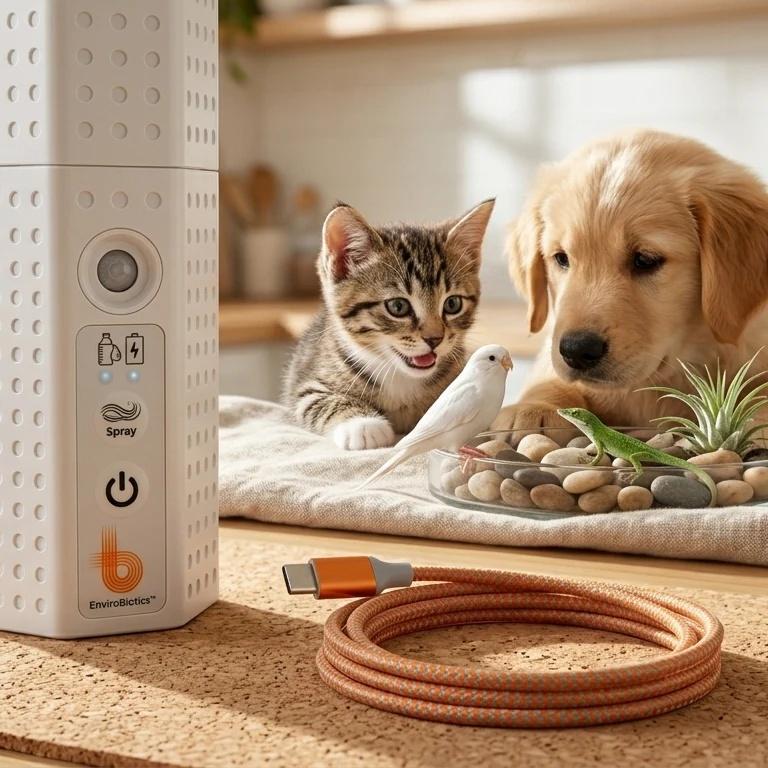
When you walk into your living room, you enter a world teeming with invisible life. Every surface you touch, every breath you take, carries millions of bacteria, fungi, and viruses. This vast and complex community of microorganisms is called the indoor microbiome, and it has only recently begun to receive the scientific attention it deserves. For most of human history, we lived outdoors or in homes with open windows and dirt floors, constantly surrounded by a diverse array of environmental microbes. Today, we live in sealed, climate-controlled boxes. We scrub surfaces with antimicrobial chemicals. We filter our air. And in doing so, we have unintentionally created indoor microbiomes that are radically different from anything our ancestors experienced. Understanding what the indoor microbiome is, why it matters, and how to manage it is one of the most important steps any homeowner can take toward better respiratory health, fewer allergies, and a genuinely healthier living environment.
The Unseen Ecosystem Inside Your Home
Your home's indoor microbiome is as unique as a fingerprint. It is shaped by who lives there, what you eat, whether you have pets, how often you clean, what cleaning products you use, and even the local outdoor environment. A study that sampled dust from over twelve hundred homes across the United States found that each home had a distinct microbial signature. The bacteria on your kitchen counter are different from those in your bedroom, which are different from those in your bathroom. Some of these microbes are harmless passengers. Others are beneficial allies that help train your immune system. A small number are pathogens or allergens that can make you sick. The indoor microbiome is not static. It changes with the seasons, with your habits, and with every visitor who walks through your door. You are not just living in your home. You are living inside a living ecosystem, and that ecosystem directly affects your health every single day.
How Modern Homes Disrupted Natural Microbial Balance
For most of human evolution, people lived in homes that were constantly connected to the outdoors. Open windows, drafty walls, and dirt floors meant that indoor and outdoor microbes mixed freely. The indoor microbiome was essentially a subset of the local outdoor environment. All of that changed in the twentieth century. We sealed our homes with insulation and weatherstripping. We installed HVAC systems that recirculate the same air. We started using powerful disinfectants that kill everything in sight. We replaced natural materials like wood and wool with synthetics that do not support diverse microbial communities. The result is an indoor microbiome that is less diverse, more dominated by a few hardy species, and often enriched with human-associated bacteria that thrive in low-diversity environments. This loss of microbial diversity is now linked to rising rates of asthma, allergies, and autoimmune diseases, conditions that are far less common in homes with richer, more varied microbial communities.
The Health Connection You Cannot Afford to Ignore
Here is where the science gets personal. Children who grow up in homes with richer, more diverse indoor microbiomes have significantly lower rates of asthma and allergies. This is not speculation. It is replicated research from multiple countries. The hygiene hypothesis suggests that when young immune systems do not get enough practice fighting off harmless microbes, they become overactive and start attacking things like pollen, dust mites, and even the body's own tissues. But the indoor microbiome matters for adults, too. High levels of certain mold species in the home are linked to depression, fatigue, and cognitive fog. Specific bacterial toxins found in house dust can trigger inflammatory responses throughout the body. The balance between beneficial and harmful microbes in your home literally influences how you feel every morning when you wake up. You are not separate from your indoor environment. You are constantly exchanging microbes with it, and its health is your health.
Why Traditional Cleaning Makes the Problem Worse
Most homeowners respond to concerns about their indoor microbiome guide by cleaning more aggressively. More bleach. More disinfectant wipes. More antimicrobial sprays. But here is the paradox that the cleaning industry does not want you to understand. Harsh chemical cleaners make the indoor microbiome problem worse, not better. When you wipe a countertop with a bleach-based cleaner, you kill everything, good and bad. You leave behind a microbial blank slate. Within hours, new microbes from the air settle onto that surface. Because the community was wiped out entirely, the first species to arrive are often the fastest-growing and toughest ones, which are not always your friends. You have essentially hit the reset button on your indoor ecosystem, and the new community that grows back may be less diverse and more dominated by hardy, potentially problematic species. A growing number of microbiologists argue that we need to shift from sterilization to stewardship, managing our indoor microbiome rather than trying to erase it.
Practical Steps to Cultivate a Healthier Indoor Microbiome
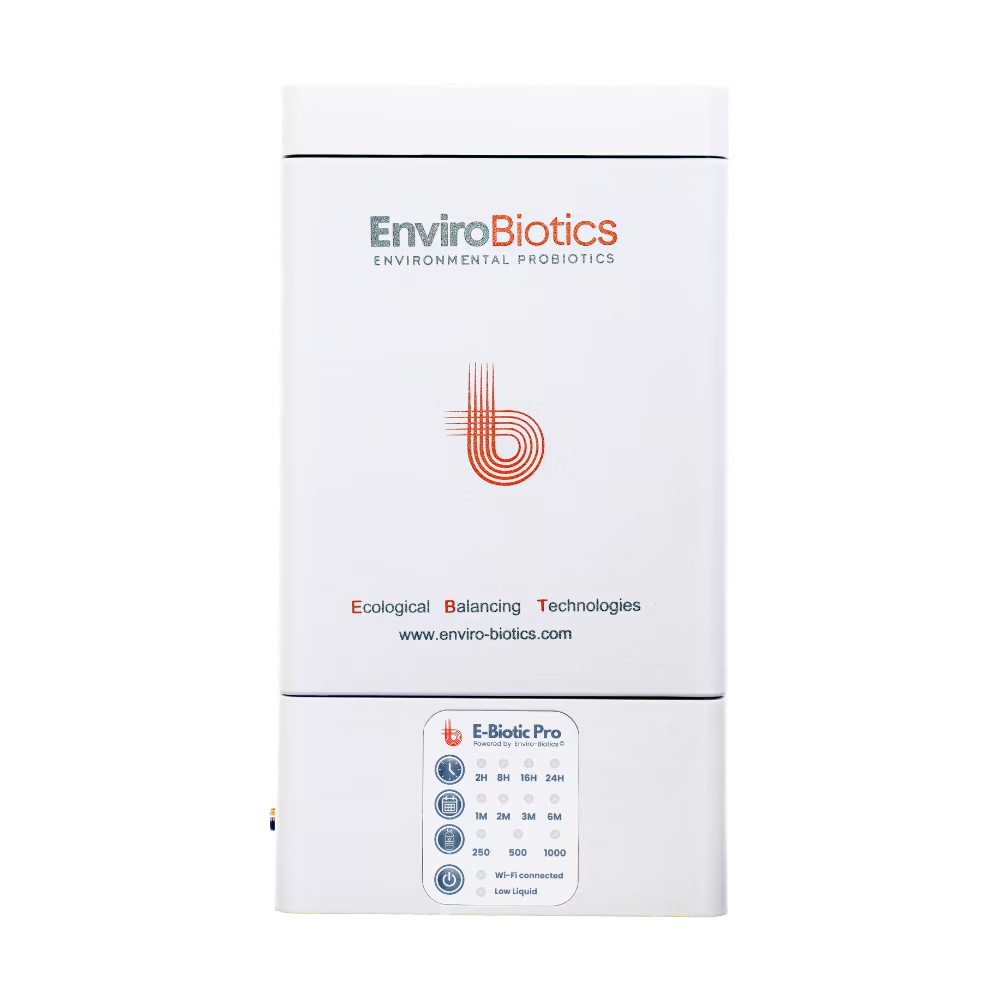
The good news is that you do not need a microbiology degree to start improving your home's microbial health. Simple changes make a real difference. Open your windows regularly to bring in diverse outdoor microbes, even for just ten or fifteen minutes a day. Keep indoor humidity between thirty and fifty percent to discourage mold overgrowth while still supporting beneficial bacteria. Reduce your use of broad-spectrum antimicrobial cleaners and instead use soap and water for most routine cleaning, reserving disinfectants for actual illnesses or raw meat spills. Bring in houseplants, which host their own beneficial microbial communities and increase indoor microbial diversity. Consider a probiotic air purifier that introduces beneficial Bacillus bacteria to actively manage your indoor ecosystem. The goal is not a sterile home, which is impossible anyway, but a balanced, resilient indoor microbiome that supports your health rather than challenging it. Your home is already full of invisible life. The only question is whether you will let that life be shaped by random chance or by thoughtful intention. The science of the indoor microbiome says intention is the better choice.
 English
 Arabic
 French
 Spanish
 Portuguese
 Deutsch
 Turkish
 Dutch
Dutch
 Italiano
 Russian
 Romaian
 Portuguese (Brazil)
 Greek
Greek