English
 Arabic
 French
 Spanish
 Portuguese
 Deutsch
 Turkish
 Dutch
Dutch
 Italiano
 Russian
 Romaian
 Portuguese (Brazil)
 Greek
Greek

Understanding Different Types of Homecare Services
Health |
2026-02-11 06:15:09
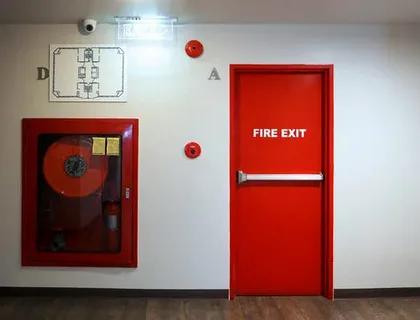
Fire doors are one of those features that most people walk past without a second thought. They sit in corridors, stairwells, and entrances, quietly doing their job. Yet when something goes wrong, their performance becomes critical. That is why fire door inspection London services have become a standard part of building safety management across both residential and commercial properties.
In London, where buildings range from modern apartments to older conversions, maintaining fire door compliance is not always straightforward. Regular inspections help ensure that these doors are not only present but actually capable of performing under real conditions.
Fire doors are designed to hold back fire and smoke for a specific period. That time allows occupants to escape and emergency services to respond. However, this only works if the door is in proper condition.
A door that looks fine at first glance may still have issues. Gaps around the edges, worn seals, or faulty closers can all affect performance. These problems are often identified during a fire door inspection, even in buildings that appear well maintained.
For landlords and property managers, inspections are not optional. They are part of meeting legal responsibilities under UK fire safety regulations. Being able to show that regular checks are carried out can make a difference during audits or incident investigations.
A professional inspection follows a structured process. Inspectors look at each part of the door assembly to confirm that it meets expected standards.
Some of the key checks include:
Measuring the gaps between the door and frame
Examining intumescent strips and smoke seals
Checking hinges for correct type and condition
Testing door closers to ensure proper operation
Inspecting latching mechanisms
Assessing the condition of the frame and surrounding structure
Each inspection results in a detailed report. This fire door inspection report highlights any issues and provides recommendations for fire door repair or further action.
Fire door inspection requirements can vary depending on the type of building. Residential blocks and commercial spaces often have different usage patterns, which affect how frequently inspections are needed.
| Property Type | Typical Inspection Focus | Frequency |
|---|---|---|
| Residential blocks | Communal doors, flat entrance doors | Every 3 to 12 months |
| HMOs | High-use doors, shared areas | More frequent checks |
| Offices | Escape routes, internal partitions | Based on usage levels |
| Retail units | Customer-facing doors, exits | Regular monitoring |
In residential buildings, flat entrance doors are particularly important because they form part of the fire compartmentation strategy. In commercial settings, doors along escape routes receive more attention due to higher foot traffic.
Many inspection issues can be traced back to how the door was originally fitted. A poorly installed door is more likely to fail even if it is new.
This is why working with experienced fire door installers or a certified fire door installer can reduce future problems. Proper fire door installation London services ensure that the door, frame, and hardware are all aligned from the start.
Even so, installation is only one part of the process. Over time, wear and tear can affect performance. This is why inspections remain necessary regardless of how well the door was fitted initially.
Across London, inspection reports often highlight similar patterns. These are not limited to older buildings. Even recently completed properties can show faults.
Some of the most frequent issues include:
Doors that do not close fully
Missing or damaged smoke seals
Incorrect hinge types or loose fittings
Gaps that exceed recommended limits
Damage caused by everyday use or alterations
Most of these issues can be addressed through targeted fire door maintenance London services. Early detection keeps repair work simple and avoids larger costs later.
Inspection identifies problems, but maintenance resolves them. Without regular upkeep, even minor faults can develop into compliance failures.
Routine fire door maintenance may involve:
Adjusting alignment
Replacing seals
Repairing or upgrading door closers
Fixing minor structural issues
Property managers who schedule both inspections and maintenance tend to keep their buildings in better condition. It also helps them manage fire door cost more effectively by avoiding unexpected repairs.
Cost is always part of the conversation. The fire door inspection cost depends on factors such as the number of doors, building layout, and level of detail required.
Planning inspections in advance helps spread costs and avoid urgent work. When inspections are delayed, small issues can turn into larger repair projects, which increases overall expense.
For many property managers, combining inspection, maintenance, and occasional upgrades into a single plan works best. It keeps compliance consistent and reduces disruption for occupants.
After inspections and any required repairs, documentation becomes essential. Fire door certification provides evidence that the doors meet expected standards at the time of inspection.
Records typically include:
Inspection reports
Maintenance logs
Installation details
Certification documents
These records are often requested during fire risk assessments or insurance reviews. Keeping them organised makes compliance easier to demonstrate.
Selecting a reliable service provider is just as important as scheduling inspections. Experience, qualifications, and reporting quality all influence the outcome.
A dependable provider usually offers:
Qualified inspectors familiar with UK standards
Clear and practical reports
Recommendations that are easy to follow
Consistent service across multiple properties
Companies such as Safety Spectrum London are often chosen for fire door inspection London services because they handle inspections, maintenance, and installation together. This approach helps property managers manage compliance without dealing with multiple contractors.
In one mixed-use building in West London, routine inspections identified that several doors along the escape route were not latching properly. The issue was not obvious during daily use, but it became clear during testing.
The problem was resolved through minor adjustments and replacement of worn parts. The cost was relatively low, and the building remained compliant. Without inspection, the issue could have gone unnoticed.
This type of situation is common. It shows how regular checks can prevent small problems from becoming serious risks.
For landlords and property managers looking for dependable support, Safety Spectrum London provides fire door inspection, maintenance, and installation services across London. Their team works with both residential and commercial properties to help maintain compliance and safety standards. They can be contacted on
Company Name: Safety Spectrum London
Phone : +44 20 4628 6504
Address: 58a Tudor Road Hayes UB3 2QD
Website: https://safetyspectrumlondon.co.uk/
Email: info@safetyspectrumlondon.co.uk