English
 Arabic
 French
 Spanish
 Portuguese
 Deutsch
 Turkish
 Dutch
Dutch
 Italiano
 Russian
 Romaian
 Portuguese (Brazil)
 Greek
Greek

Room Odor Eliminator: The Smart Solution for Garbage Room Odour Control
Other |
2026-02-04 06:56:30
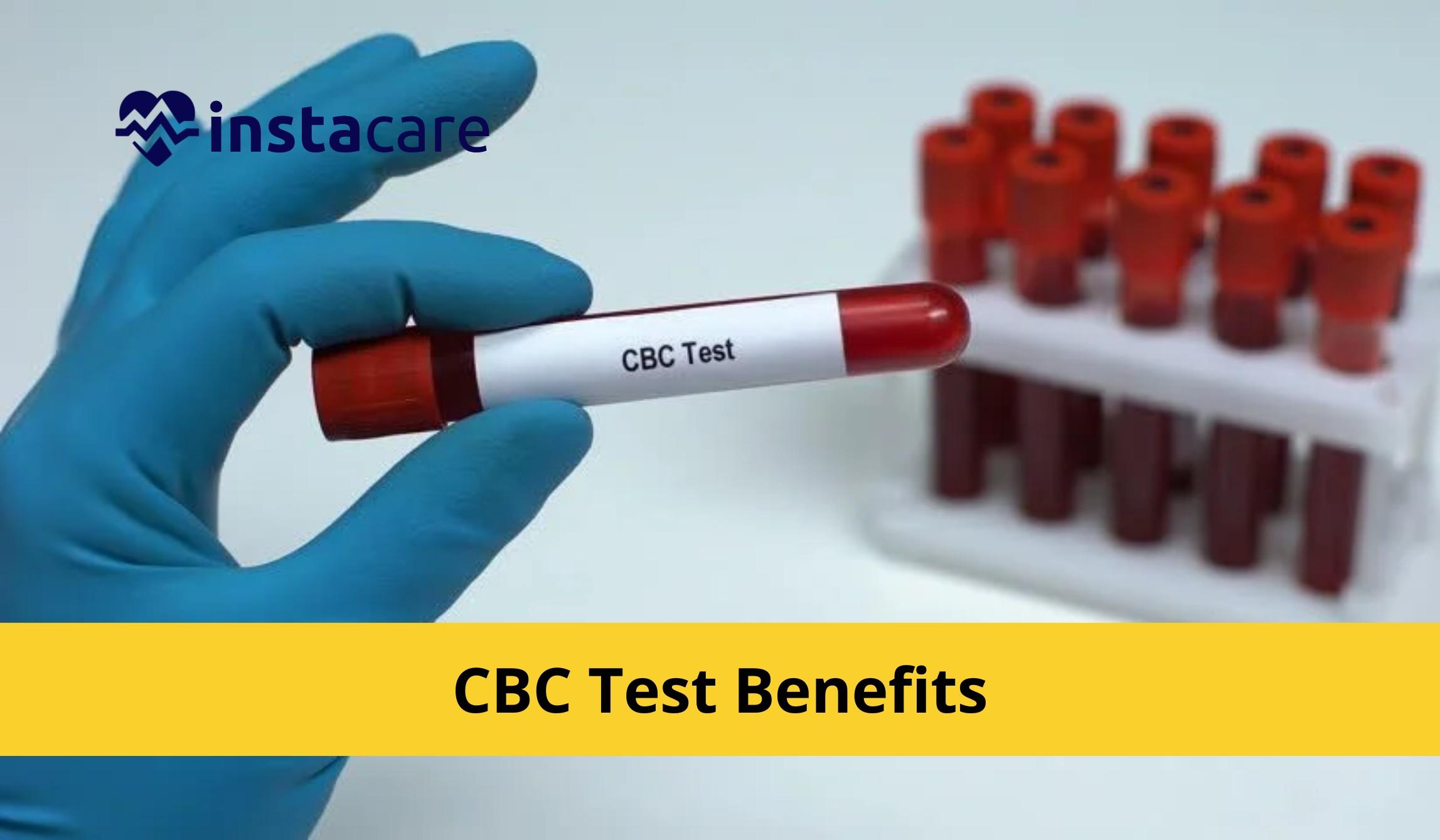
Hemoglobin plays a vital role in your body by carrying oxygen from your lungs to the rest of your tissues. If your hemoglobin levels are low, it can affect your energy levels, immunity, and overall health. Many people become concerned about their hemoglobin levels when preparing for a CBC (Complete Blood Count) test, especially if they’ve experienced fatigue, dizziness, or weakness.
The good news is that you can support healthy hemoglobin levels naturally through diet and lifestyle choices. While these methods are not instant fixes, they can help improve your blood health over time and give more accurate insights during your test.
Hemoglobin is a protein found in red blood cells that binds with oxygen and transports it throughout the body. Low levels of hemoglobin are commonly associated with Anemia, a condition that can result from iron deficiency, vitamin deficiencies, or chronic illness.
A CBC test measures hemoglobin along with other blood components, making it an essential tool for evaluating your overall health. Improving hemoglobin levels naturally not only helps your test results but also enhances your well-being.
Iron is the most critical nutrient for hemoglobin production. Without enough iron, your body cannot produce sufficient red blood cells.
Red meat, chicken, and fish
Spinach, kale, and other leafy greens
Lentils, beans, and chickpeas
Dates, raisins, and dried apricots
There are two types of iron: heme (from animal sources) and non-heme (from plant sources). Heme iron is more easily absorbed, but combining both types in your diet is beneficial.
Consuming iron alone is not enough your body must absorb it effectively. Vitamin C enhances the absorption of non-heme iron, making it an essential addition to your diet.
Citrus fruits like oranges and lemons
Guava and strawberries
Bell peppers and tomatoes
For example, pairing spinach with lemon juice or تناول lentils with a side of citrus fruit can significantly improve iron uptake.
Folate and vitamin B12 are crucial for red blood cell formation. Deficiency in either can lead to Anemia and low hemoglobin levels.
Leafy greens
Avocados
Beans and peas
Eggs
Dairy products
Meat and fish
Vegetarians may need fortified foods or supplements to meet their B12 requirements.
Some foods and drinks can interfere with iron absorption if consumed in excess, especially around meal times.
Tea and coffee (contain tannins)
Calcium-rich foods taken with iron-rich meals
Processed and junk foods
It’s best to consume tea or coffee at least an hour after meals to avoid reducing iron absorption.
Proper hydration supports overall blood volume and helps your body function efficiently. Drinking enough water also aids digestion, ensuring better absorption of nutrients like iron and vitamins.
Additionally, maintaining gut health through fiber-rich foods and probiotics can improve nutrient absorption, indirectly supporting hemoglobin production.
Regular exercise stimulates blood circulation and can encourage the production of red blood cells. Activities like walking, jogging, or light strength training can be beneficial.
However, avoid overexertion if you already feel weak or fatigued, as this may worsen symptoms related to low hemoglobin.
Certain traditional remedies may help support hemoglobin levels when combined with a balanced diet.
Beetroot juice
Pomegranate
Jaggery (gur)
These foods are often rich in iron and antioxidants, which may contribute to improved blood health. While they are helpful, they should not replace medical treatment if you have severe deficiency.
Your body repairs and regenerates during sleep, including the production of blood cells. Poor sleep and chronic stress can negatively impact your overall health, including hemoglobin levels.
Aim for 7–8 hours of quality sleep each night and incorporate stress management techniques such as meditation or deep breathing.
While natural methods can help, they may not be sufficient in cases of severe Anemia or underlying medical conditions. If you experience persistent symptoms such as extreme fatigue, pale skin, or shortness of breath, consult a healthcare professional.
Doctors may recommend supplements, medications, or further tests depending on the cause of low hemoglobin.
Maintain a balanced diet in the days leading up to the test
Stay hydrated
Follow any specific instructions given by your doctor
Avoid making drastic last-minute changes, as they may not reflect your true health status
Remember, the purpose of a CBC test is to provide an accurate picture of your health, not just “better numbers.”
Increasing hemoglobin naturally before a CBC test involves consistent dietary and lifestyle habits rather than quick fixes. By incorporating iron-rich foods, improving nutrient absorption, and maintaining a healthy routine, you can support your body’s ability to produce healthy red blood cells.
If you’re planning to book a CBC test in karachi, platforms like Instacare.pk offer convenient access to reliable diagnostic services across Pakistan. Taking proactive steps toward better health today can lead to more accurate test results and improved well-being in the long run.