English
 Arabic
 French
 Spanish
 Portuguese
 Deutsch
 Turkish
 Dutch
Dutch
 Italiano
 Russian
 Romaian
 Portuguese (Brazil)
 Greek
Greek

Get the Best Drainage System Cleaning & Manhole Cleaning Service in Dubai with us
Home |
2026-02-19 07:03:02
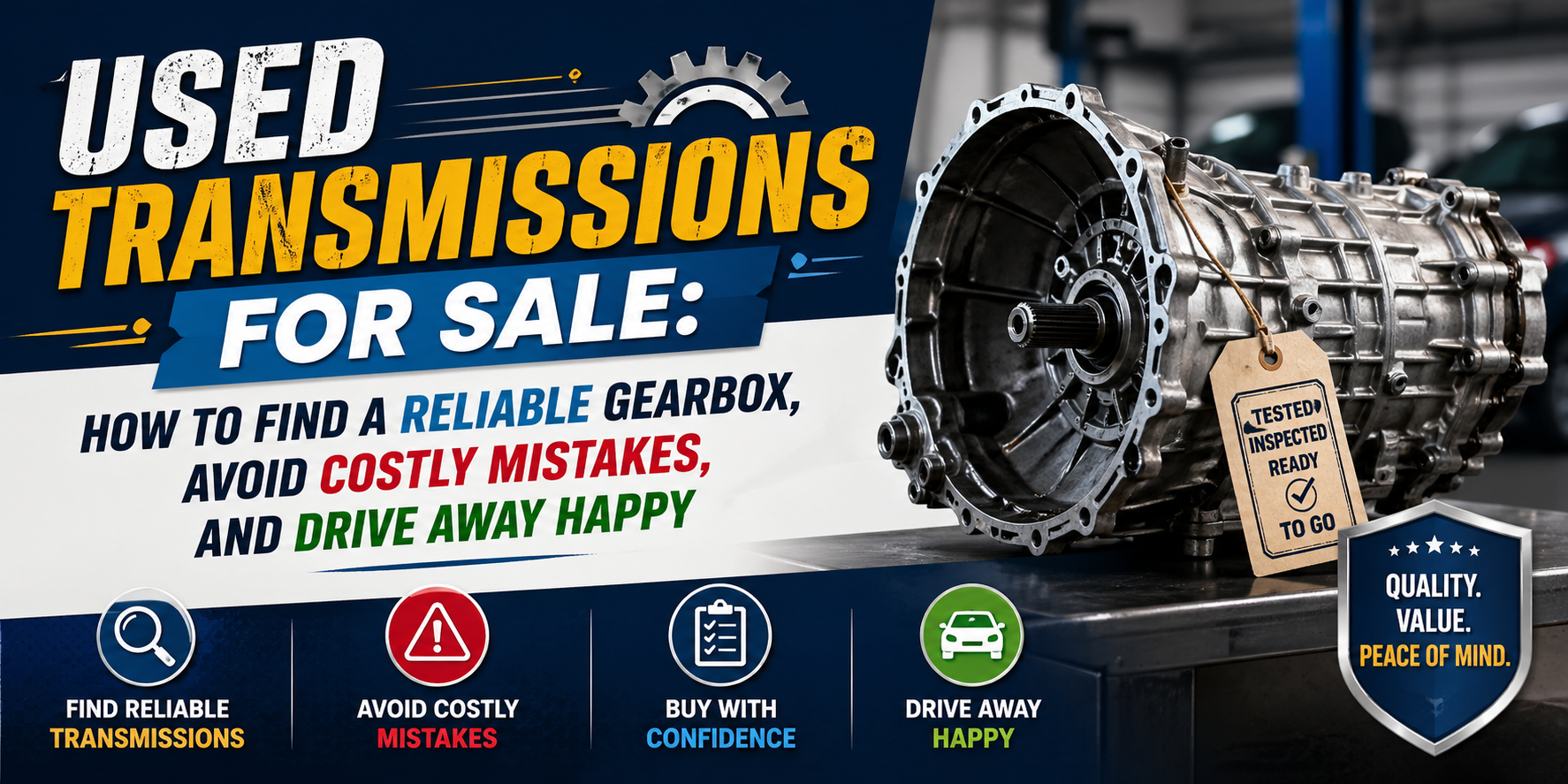
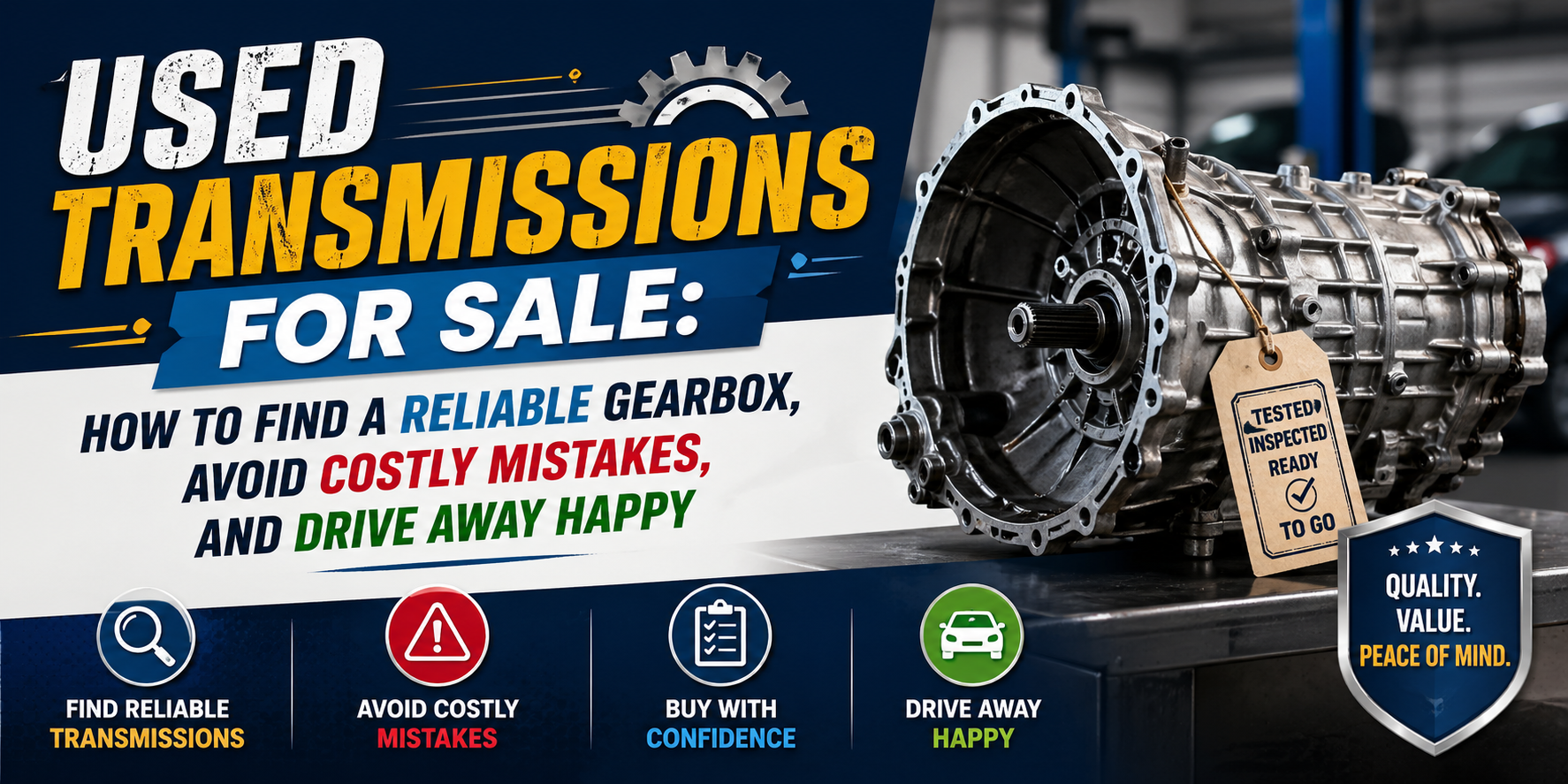
Shopping for a replacement transmission is one of those experiences that can feel overwhelming if you walk in without a plan. The stakes are high, the terminology can be confusing, and the price range for what looks like the "same" unit can vary by thousands of dollars depending on where you look and who you're buying from. If you're in the market for used transmissions for sale, this guide is designed to give you a clear, honest, and practical roadmap — one that helps you ask the right questions, spot red flags early, and ultimately land a unit that gives you thousands of reliable miles rather than a second headache.
The economics of transmission replacement drive most people toward the used market, and for good reason. A brand-new OEM transmission — even for a mid-range domestic vehicle — can cost anywhere from $3,500 to $8,000 before labor. Dealer-remanufactured units fall somewhere in between. A well-sourced used transmission from a low-mileage donor vehicle, on the other hand, can often be found for $400 to $2,000 depending on the application, bringing the total repair bill into a range that actually makes financial sense relative to the vehicle's value.
The key insight here is that "used" does not mean "worn out." A transmission pulled from a vehicle that was totaled in a front-end collision at 45,000 miles is mechanically equivalent to a new unit — it simply lived its first 45,000 miles in a different car. The challenge is identifying those gems amid the higher-mileage or less carefully maintained units that also populate the used market. That's where buyer knowledge becomes the most valuable tool you have.
Automatic and manual transmissions fail for different reasons, and the inspection process for each is distinct. Automatic transmissions are hydraulic systems — they rely on clean fluid at the correct pressure, properly functioning solenoids, and a healthy torque converter to operate correctly. The most common causes of automatic transmission failure are fluid degradation from missed service intervals, contamination caused by a failing torque converter clutch shedding material into the fluid, and electronic solenoid failures in modern electronically controlled units.
When evaluating a used automatic transmission, ask whether the fluid has been changed at the correct intervals. Request to see the unit's fluid condition if possible — dark, burnt-smelling fluid is a warning sign even in a unit that "shifts fine." On modern units with mechatronic or valve body electronics, ask specifically whether any transmission fault codes were present in the donor vehicle before removal. A transmission that threw a P0700-range code in its previous life will very likely throw the same code in yours.
Manual transmissions fail more gradually and the failure modes are easier to detect. Worn synchronizers cause grinding during upshifts, particularly from second to third. A failing input shaft bearing produces a whine or growl that changes pitch with vehicle speed and disappears when the clutch pedal is pressed. Bent shift forks cause false neutrals or difficulty engaging specific gears. Ask the seller to describe any symptoms the donor vehicle experienced before the transmission was removed — a seller who can give you specific, consistent answers is far more trustworthy than one who just says "it was fine.
Mileage is important, but it's not the only — or even the most important — variable when evaluating a used transmission. A 60,000-mile transmission that was never serviced and spent its life in stop-and-go urban traffic has experienced more cumulative stress than a 90,000-mile unit that was highway-driven and serviced regularly. Context matters enormously.
When a seller quotes you a mileage figure, ask how they verified it. Reputable salvage yards cross-reference the donor vehicle's VIN with title history, odometer disclosures, and in some cases insurance records. They can often provide a Carfax or AutoCheck report for the donor vehicle. If a seller can't tell you anything about the donor car beyond a rough mileage estimate, treat the mileage figure as unverified and price your offer accordingly.
For high-wear applications — trucks that towed regularly, performance cars driven aggressively, or vehicles with documented transmission issues in their history — apply a significant discount to whatever mileage is quoted, because the actual wear on internal components may far exceed what the odometer suggests.
One of the clearest indicators of a seller's confidence in their product is the warranty they offer. A reputable used parts supplier will stand behind their transmissions with at least a 90-day warranty covering mechanical failure, and the best suppliers extend that to a year or longer. Salvage yards that offer no warranty at all are essentially asking you to accept all the risk — which is a reasonable deal only if the price reflects that risk dramatically.
Read warranty terms carefully. Some warranties cover "parts only" and exclude labor — which can be a significant issue given that transmission labor typically runs between $500 and $1,500 depending on the vehicle. Others have mileage limitations or exclude certain failure types. Know what you're buying before you commit, and factor the cost of a potential warranty claim into your overall budget.
This is where many buyers go wrong and end up with a transmission that physically installs but doesn't function correctly. Transmissions within the same vehicle family often come in multiple variants — different gear ratios, different bell housing bolt patterns, different electronic control requirements, or different output shaft configurations for two-wheel vs. four-wheel drive applications. Always cross-reference the part number of the replacement unit against your vehicle's specific requirements using the OEM parts catalog, not just a year-make-model lookup.
Provide the seller with your full VIN, not just the year and model. The VIN encodes the specific transmission option your vehicle left the factory with and eliminates ambiguity about which variant you need. Any reputable supplier will use your VIN to confirm fitment before processing your order — if they don't offer this service, that's a yellow flag worth paying attention to.
Even a perfect used transmission can fail prematurely if installation shortcuts are taken. The transmission cooler and cooler lines must be flushed before the new unit is installed — any debris or degraded fluid from the old transmission living in the cooler will immediately contaminate the fresh unit. The torque converter must be pre-filled with the correct fluid before installation to prevent dry-start damage to the pump. All transmission mounts, crossmembers, and driveshaft components should be inspected and replaced if worn — a vibrating driveshaft or a sagging mount puts abnormal stress on the replacement unit from day one.
After installation, have the transmission fluid level checked and confirmed correct before the first drive. On many modern vehicles, the transmission control module also needs to be reset or relearned to the new unit's shift characteristics — a step that requires a professional scan tool and is easy to overlook but important for long-term reliability.
Finding quality used transmissions for sale takes patience and the right information, but when you do it correctly, you end up with a repair that makes genuine financial sense — and a vehicle that drives exactly the way it should.
At Turbo Auto Parts, we take the guesswork out of used transmission shopping. Every unit in our inventory is inspected, documented, and backed by our 3-Year Parts Warranty — one of the strongest guarantees in the used auto parts industry. We offer free shipping on all orders within the United States, so the right transmission arrives at your door or your shop without any freight surprises. Our parts specialists are ready to verify fitment using your VIN and get you the right unit, right away.
READ MORE :- VW W8 Engine for Sale: The Full Buyer's Guide