English
 Arabic
 French
 Spanish
 Portuguese
 Deutsch
 Turkish
 Dutch
Dutch
 Italiano
 Russian
 Romaian
 Portuguese (Brazil)
 Greek
Greek

AUD/JPY Forecast 2026: One Neutral Signal Changes Everything
Other |
2026-03-11 16:02:55
Quality is one of those words that gets thrown around so often in industrial marketing that it risks losing its meaning. Every supplier claims to offer quality, but the reality is that quality means very different things to different manufacturers. For some, quality means simply that the pump works when it leaves the factory. For others, it means meeting minimum specifications at the lowest possible cost. CNSME takes a far more rigorous view. To them, quality means a pump that performs as promised, lasts as long as expected, and can be maintained without unnecessary difficulty. It means consistent manufacturing so that every pump from every batch meets the same high standards. And it means standing behind the product when something does go wrong. This article explores why quality matters so much in slurry pump supplier and how CNSME delivers it.
The High Cost of Poor Quality in Slurry Pumping
Before discussing how CNSME achieves quality, it is worth understanding what happens when quality is lacking. A poorly made slurry pump might fail in a matter of weeks, not years. It might leak slurry onto the plant floor, creating safety hazards and environmental violations. It might vibrate excessively, damaging bearings and seals and taking other equipment down with it. It might consume excessive power, driving up electricity bills month after month. I have seen plants lose entire production shifts because a low-quality pump failed catastrophically, and the replacement parts were not available for days. The cost of that single failure often exceeded the purchase price of the pump many times over. Poor quality is expensive, far more expensive than paying a fair price for a well-made pump in the first place. CNSME understands this equation better than most, which is why they invest so heavily in getting quality right.
Precision Casting and Heat Treatment of Wear Parts
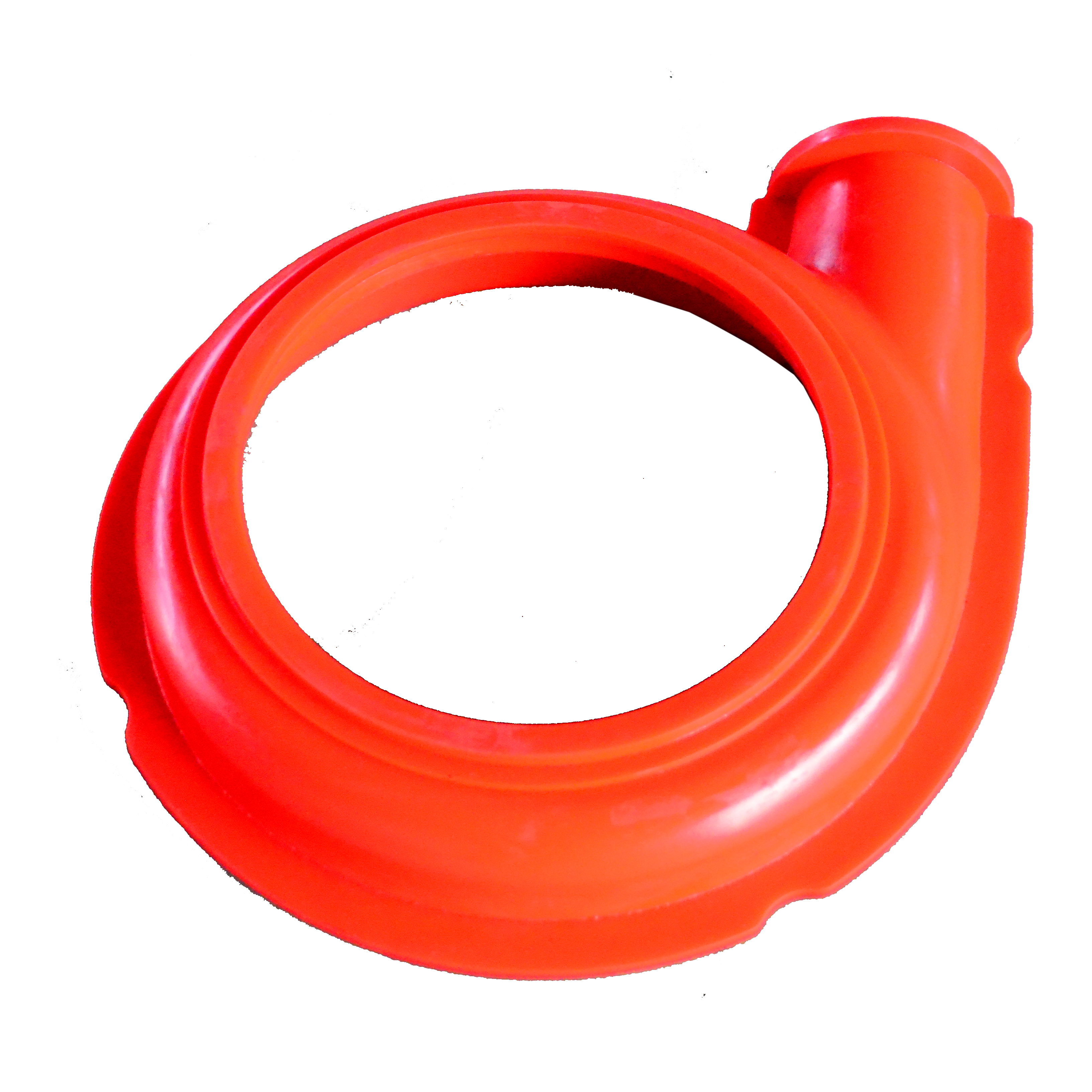
The foundation of a quality slurry pump is the metallurgy of its wear parts. CNSME operates its own foundries and heat treatment facilities, giving them complete control over this critical process. Their high-chrome white iron castings are produced with precise chemistry, ensuring the correct balance of chromium, carbon, and other alloying elements. The heat treatment process, including austenitizing, quenching, and tempering, is carefully controlled to achieve the optimal microstructure of hard carbides in a tough matrix. I have examined CNSME wear parts under magnification and compared them to lower-quality alternatives. The difference is obvious. CNSME parts have a uniform, fine distribution of carbides, while poor-quality parts often have large, irregular carbides or insufficient matrix hardness. That microscopic quality translates directly into longer wear life in the field.
Tight Machining Tolerances for Proper Fit
Quality is not just about materials; it is also about how precisely those materials are shaped. CNSME maintains tight machining tolerances on all critical dimensions. Bearing housings are bored to exact diameters with perfect concentricity. Impeller eyes are machined to match suction liner profiles precisely. Shafts are ground to smooth finishes and straightness within thousandths of an inch. These tight tolerances ensure that when a pump is assembled, all the parts fit together as designed. There are no excessive clearances that allow recirculation and accelerated wear. There are no tight spots that cause binding or overheating. I have assembled pumps from manufacturers with loose tolerances, and the process was frustrating, with parts that did not quite fit and required filing or shimming. CNSME parts fit correctly the first time, every time, which is a hallmark of quality manufacturing.
Rigorous Assembly and Testing Procedures
A pump can have perfect castings and perfectly machined components, but if it is assembled carelessly, the quality is lost. CNSME follows detailed assembly procedures that have been refined over years of experience. Technicians use calibrated torque wrenches for all fasteners. Bearing preloads are set to specified values. Seal faces are cleaned and installed with care. Once assembled, every pump is tested on a calibrated hydraulic test stand. Flow, head, and efficiency are measured and compared to published curves. Vibration levels are checked. Any pump that fails to meet specifications is rejected and sent back for rework. I have witnessed this testing firsthand, and it is impressive to see the discipline involved. No pump leaves the factory until it has proven itself on the test stand.
Traceability and Documentation for Accountability
Quality also means accountability. CNSME maintains detailed records for every pump they manufacture, including material certificates, machining inspection reports, assembly checklists, and test results. If a problem ever arises in the field, they can trace that specific pump back through every step of its production. This traceability allows them to identify root causes and implement corrective actions. It also gives customers confidence that they are receiving a product that has been made with care and attention to detail. I have requested documentation from CNSME for pumps that were several years old, and they were able to provide it promptly. That level of record-keeping is rare in the industry, but it is essential for continuous improvement and customer trust.
Continuous Improvement Through Quality Metrics
Finally, CNSME treats quality not as a destination but as an ongoing process. They track quality metrics including casting defect rates, machining accuracy, test pass rates, and field failure rates. When metrics trend in the wrong direction, they investigate and implement corrective actions. When they identify opportunities for improvement, they invest in new equipment, better training, or revised procedures. I have seen CNSME make design changes based on quality data from the field, such as modifying a casting to eliminate a recurrent defect or changing a heat treatment cycle to improve hardness consistency. That commitment to continuous improvement means that CNSME pumps are getting better over time. Customers benefit from that ongoing investment in quality, receiving more reliable pumps with each new order. In an industry where many suppliers rest on their reputations, CNSME’s focus on continuous quality improvement is a genuine differentiator.