English
 Arabic
 French
 Spanish
 Portuguese
 Deutsch
 Turkish
 Dutch
Dutch
 Italiano
 Russian
 Romaian
 Portuguese (Brazil)
 Greek
Greek

5 innovative nasal sprays eliminating the need for dental injections in 2026
Health |
2026-02-04 11:35:58
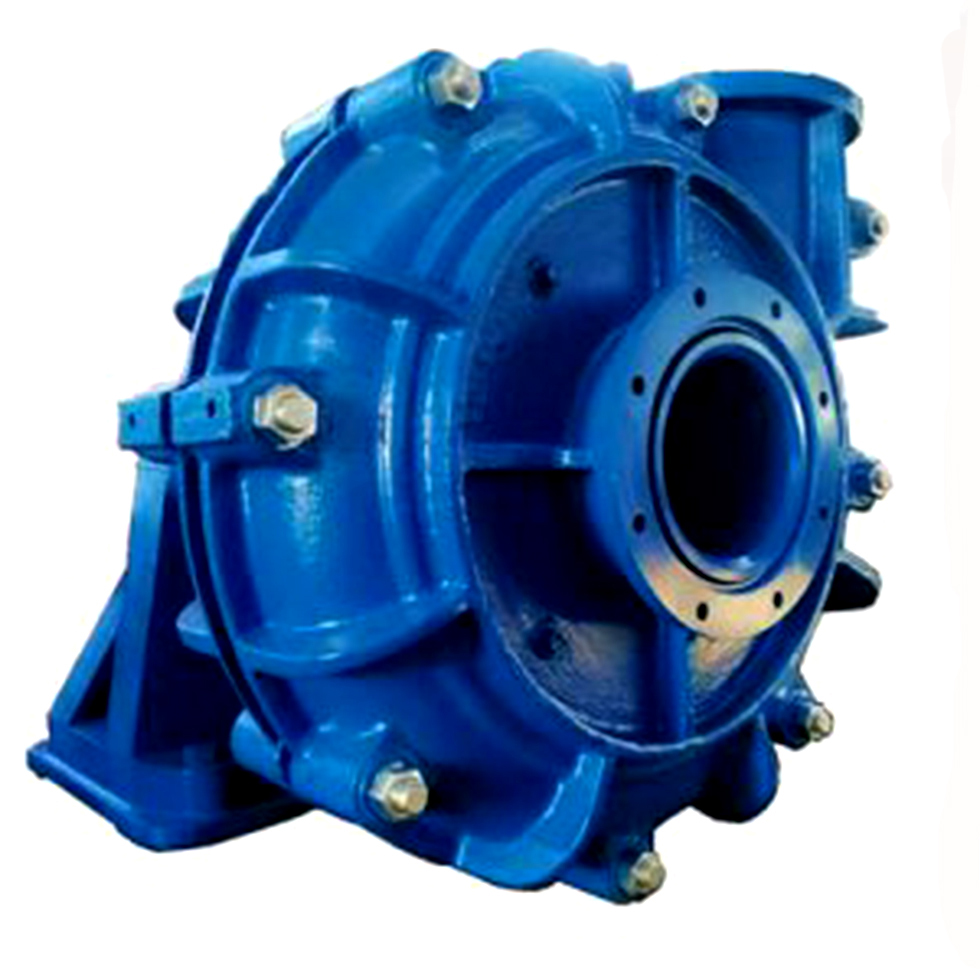
Comparing slurry pump options can feel overwhelming. Technical specifications, material grades, seal types, performance curves, pricing structures, and delivery terms all vary between suppliers. Making an apples-to-apples comparison requires knowing what to look for and what questions to ask. CNSME has written this guide to help buyers navigate the comparison process, not to steer them toward CNSME but to help them make informed decisions regardless of which supplier they ultimately choose. The tips below come from decades of experience watching buyers make good choices and bad ones. Following them will save time, money, and frustration.
The most common mistake in slurry pump manufacturer is focusing too heavily on the initial purchase price. A pump that costs ten percent less but wears out fifty percent faster is not a bargain. It is an expense. When comparing options, ask each supplier for expected wear life under your specific conditions. Request data on power consumption at your operating point. Inquire about maintenance intervals and typical labor hours for wet end replacement. A supplier who cannot or will not provide this information may be hiding poor total cost performance. CNSME provides this data because they know their pumps perform well on total cost. If a competitor offers a lower price but refuses to discuss total cost of ownership, be skeptical.
All suppliers use similar names for materials—high-chrome, rubber, stainless steel. But the actual composition and properties vary widely. One supplier’s high-chrome might have twenty percent chromium while another’s has twenty-five percent. One heat treats to five hundred Brinell hardness while another achieves six hundred. When comparing options, ask for material certificates or test reports that show actual chemistry and hardness. Ask about heat treatment procedures and quality control methods. A supplier who provides this documentation is confident in their materials. A supplier who deflects or offers only vague assurances may be using lower-grade materials. CNSME provides full material traceability because they want buyers to know exactly what they are getting.
Pump curves look similar at a glance, but the details matter. Two pumps might both claim to deliver the same flow at the same head, but their efficiency at that point could differ by several percentage points. One might operate near its best efficiency point while the other runs off the curve. When comparing options, overlay the performance curves on the same axes and mark your duty point. Look at efficiency, net positive suction head required, and power consumption at that specific point. A pump that matches your duty point closely will perform better and last longer than one that is oversized or undersized. CNSME provides certified performance curves for every pump, measured on their test stand, not just calculated.
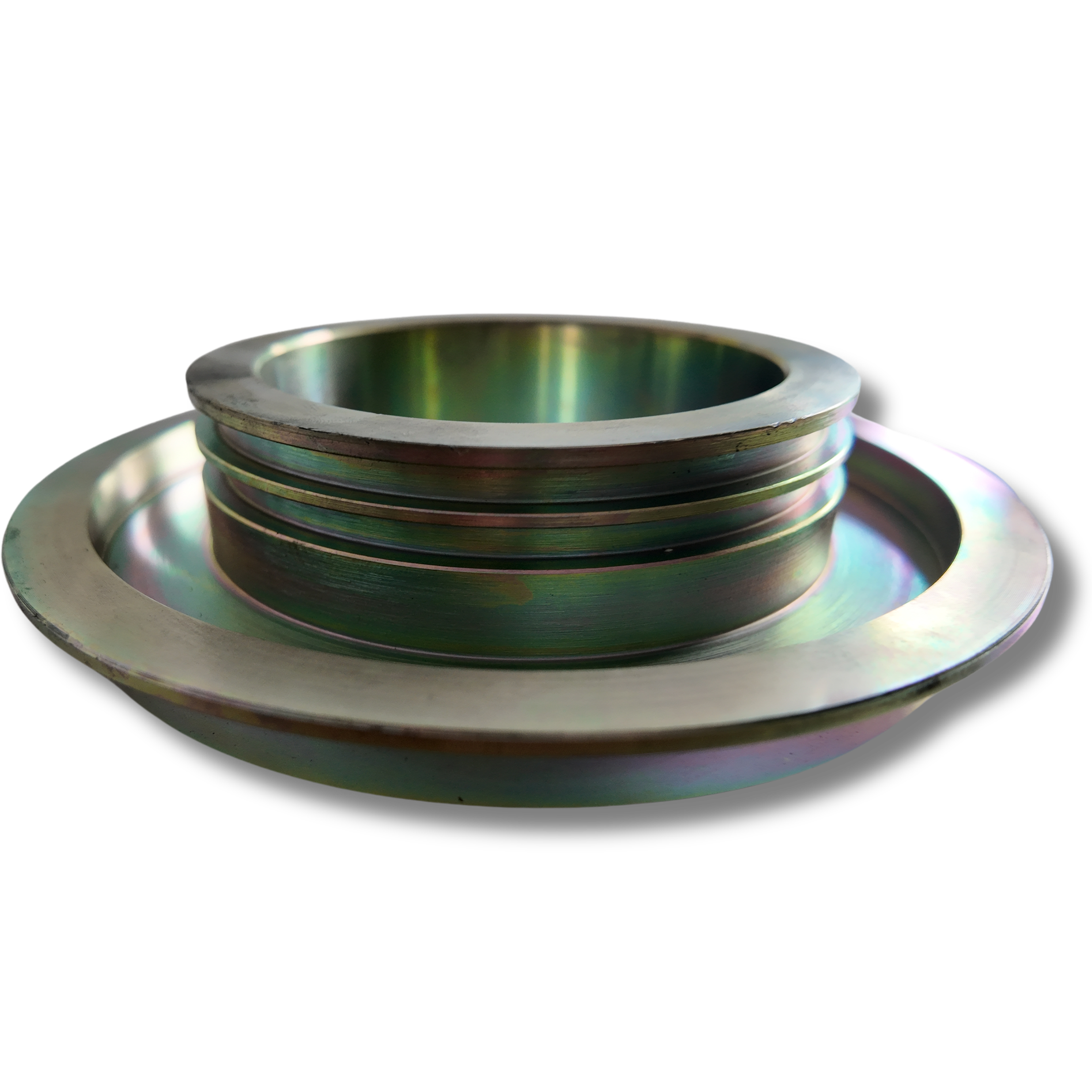
The purchase price is paid once. Spare parts are paid repeatedly over the life of the pump. When comparing options, request a complete spare parts price list. Compare the cost of an impeller, liner, shaft sleeve, and seal kit across suppliers. A pump with cheap initial price but expensive wear parts will cost more over time than a pump with moderate initial price and reasonable parts pricing. Also ask about parts availability. How quickly can you get a replacement impeller? Is there a regional warehouse? What is the typical lead time for emergency orders? A supplier with cheap parts that take weeks to arrive is not a bargain when your plant is down. CNSME prices spare parts fairly and maintains regional inventory for fast delivery.
Every supplier claims quality. Few can prove it. When comparing options, ask specific questions about testing and quality control. Do you test every pump before shipment, or only sample? What measurements do you record? Do you provide test certificates? What inspection methods do you use for castings? Do you have third-party quality certifications? A supplier who answers these questions with specific, detailed responses has a robust quality system. A supplier who gives vague answers or changes the subject may be hiding poor quality. CNSME tests every pump, records comprehensive data, and provides certificates. They welcome questions about quality because their answers build confidence.
Pumps will eventually need support. The question is whether your supplier will be there when you call. When comparing options, test the supplier’s support before you buy. Call their technical support line with a hypothetical question. How long do you wait? Is the person who answers knowledgeable? Do they ask good questions? Also ask about support hours, escalation procedures, and on-site service availability. A supplier with excellent products but poor support will leave you stranded when problems occur. CNSME has structured their support for fast, knowledgeable response. They encourage potential customers to call with questions, even before an order is placed. The way a supplier treats you before the sale predicts how they will treat you after.
Finally, the best predictor of future performance is past performance. When comparing options, ask each supplier for references from customers with applications similar to yours. Contact those references and ask specific questions. How long have the pumps been running? What wear life are you seeing? How responsive is technical support? Have you had any major problems? How were they resolved? A supplier with many satisfied customers will gladly provide references. A supplier who hesitates or makes excuses may have unhappy customers. CNSME maintains a list of reference customers across industries and applications. They encourage potential buyers to make these calls because they know their customers will speak positively about their experience.