English
 Arabic
 French
 Spanish
 Portuguese
 Deutsch
 Turkish
 Dutch
Dutch
 Italiano
 Russian
 Romaian
 Portuguese (Brazil)
 Greek
Greek

Who Holds the Biggest Piece? Dissecting Super SIM Cards Market Share in 2025
Other |
2025-11-15 05:40:38
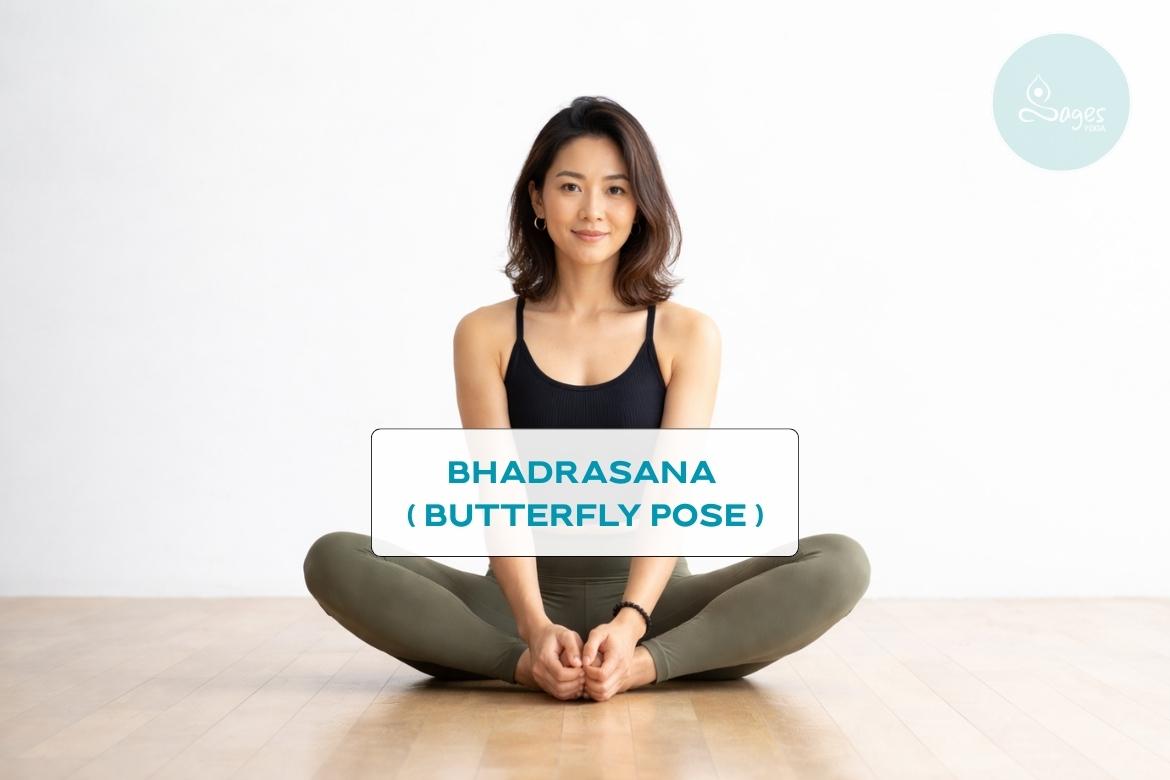
The butterfly sitting position is one of the most accessible and beneficial yoga poses for people of all ages and fitness levels. Known for its simplicity and effectiveness, this seated posture is widely practiced in yoga routines, stretching exercises, and even physiotherapy sessions. Whether you are a beginner exploring yoga or someone looking to improve flexibility and relaxation, the butterfly sitting position offers a wide range of physical and mental benefits.
In this comprehensive guide, we will explore everything you need to know about the butterfly sitting position, including how to perform it correctly, its benefits, variations, precautions, and tips for getting the most out of your practice.
The butterfly sitting position is a seated yoga pose where you sit on the floor with your spine straight, bend your knees, and bring the soles of your feet together. Your legs form a diamond shape, and your knees gently move toward the ground, resembling the wings of a butterfly—hence the name.
This pose is also commonly referred to as the “butterfly stretch” because of the gentle flapping motion often added to deepen the stretch. It primarily targets the hips, inner thighs, and lower back while promoting relaxation and mindfulness.
Practicing the butterfly sitting position with proper alignment is essential to avoid discomfort and maximize its benefits. Follow these steps:
Start with a Comfortable Seat
Sit on the floor or a yoga mat with your legs extended in front of you.
Bring the Feet Together
Bend your knees and draw your feet inward, pressing the soles together.
Hold Your Feet
Use your hands to hold your feet or ankles firmly but comfortably.
Adjust Your Posture
Sit up straight, lengthening your spine. Avoid slouching or rounding your back.
Relax the Knees
Let your knees gently drop toward the ground. Do not force them down.
Optional Movement
You can gently move your knees up and down like butterfly wings for a dynamic stretch.
Breathing
Take slow, deep breaths and hold the position for 30 seconds to a few minutes.
The butterfly sitting position offers numerous physical, mental, and therapeutic benefits. Let’s explore them in detail.
One of the primary advantages of this pose is increased flexibility in the hips. It helps loosen tight hip joints, making it easier to perform other yoga poses and daily movements.
The pose provides an excellent stretch to the inner thigh muscles (adductors), which are often neglected in regular workouts.
Practicing the butterfly sitting position improves blood flow to the pelvic region and lower body, which can help reduce fatigue and stiffness.
This posture gently stimulates abdominal organs, aiding digestion and reducing bloating.
When done with proper posture, the pose can help alleviate mild lower back discomfort by improving alignment and releasing tension.
People who sit for long hours often experience tight hips and poor posture. The butterfly sitting position helps counteract these effects by opening up the lower body.
The slow, rhythmic breathing associated with this pose helps calm the mind and reduce stress.
Under proper supervision, this pose is often recommended for pregnant women as it may help prepare the body for childbirth by improving flexibility in the pelvic region.
To make your practice more effective and adaptable, you can try different variations of the butterfly sitting position.
In this variation, gently flap your knees up and down like butterfly wings. This adds movement and helps warm up the hips.
From the basic position, slowly lean forward while keeping your back straight. This deepens the stretch in the hips and thighs.
Place cushions or yoga blocks under your knees for support. This is ideal for beginners or those with tight hips.
Lie on your back while keeping your feet together and knees apart. This variation is deeply relaxing and often used in restorative yoga.
Even though the butterfly sitting position is simple, certain mistakes can reduce its effectiveness or cause discomfort.
Slouching the Back
Always keep your spine straight to avoid strain.
Forcing the Knees Down
Never push your knees forcefully toward the ground. Let gravity do the work.
Holding the Breath
Breathing is essential. Always maintain slow and steady breaths.
Placing Feet Too Far Away
Keep your feet close enough to feel the stretch but not so close that it causes discomfort.
If you are new to the butterfly sitting position, these tips can help you practice safely and effectively:
Start slowly and hold the pose for shorter durations.
Use props like cushions for support.
Focus on your breathing rather than forcing flexibility.
Practice regularly to see gradual improvement.
Combine it with other gentle stretches for better results.
The butterfly sitting position can be easily included in your daily routine. Here are a few ways to practice it:
Morning Stretching: Start your day with this pose to loosen up your hips.
Pre-Workout Warm-Up: Prepare your body for exercise by opening the hip joints.
Post-Workout Cool Down: Relax and stretch your muscles after intense activity.
Meditation Practice: Use it as a comfortable seated position for meditation.
Before Bedtime: Calm your body and mind before sleeping.
While the butterfly sitting position is generally safe, some individuals should take precautions:
People with knee injuries should avoid deep stretches.
Those with hip pain should practice under guidance.
If you feel discomfort or pain, stop immediately.
Always consult a professional if you have medical conditions.
Beyond physical advantages, the butterfly sitting position also supports mental well-being. The calm posture and controlled breathing help reduce anxiety, improve focus, and promote mindfulness. It creates a sense of grounding, allowing you to connect with your body and relax your mind.
Consistency is key when it comes to yoga. Practicing the butterfly sitting position daily can lead to noticeable improvements in flexibility, posture, and overall well-being. It is a low-impact exercise that requires no equipment, making it easy to practice anytime and anywhere.
With regular practice, you may experience reduced stiffness, better mobility, improved posture, and a calmer state of mind. It’s a simple yet powerful addition to a healthy lifestyle.
The butterfly sitting position is a versatile and effective yoga pose that offers numerous benefits for both the body and mind. From improving flexibility and circulation to promoting relaxation and mindfulness, this simple posture can make a significant difference in your daily routine.
Whether you are a beginner or an experienced practitioner, incorporating the butterfly sitting position into your practice can help you achieve better physical health and mental balance. With proper technique, regular practice, and mindful breathing, this pose can become a cornerstone of your wellness journey.