English
 Arabic
 French
 Spanish
 Portuguese
 Deutsch
 Turkish
 Dutch
Dutch
 Italiano
 Russian
 Romaian
 Portuguese (Brazil)
 Greek
Greek

Indium Mining Market Expansion with Advanced Materials Industry
Home |
2026-03-26 16:10:45
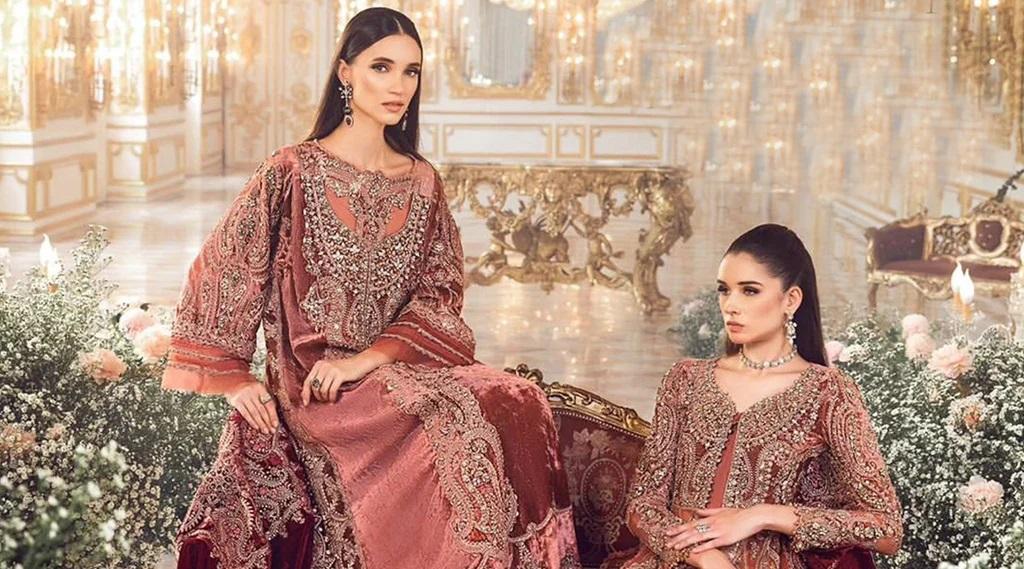
Pakistani fashion clothes represent a beautiful fusion of cultural heritage, regional diversity, and contemporary style. Rooted in centuries-old traditions and influenced by modern global trends, Pakistani clothing has evolved into a vibrant and dynamic fashion industry admired both locally and internationally. From intricate embroidery to luxurious fabrics, Pakistani fashion reflects the country’s rich history and artistic excellence.
One of the most distinctive aspects of Pakistani fashion is its traditional attire. For women, the shalwar kameez remains the most popular outfit. It consists of a long tunic (kameez) paired with loose trousers (shalwar) and often complemented by a dupatta (scarf). This attire is not only comfortable but also versatile, making it suitable for daily wear, formal events, and festive occasions. Designers continually reinvent the shalwar kameez by experimenting with cuts, fabrics, and embellishments, ensuring it remain fashionable across generations.
Similarly, men’s traditional clothing includes the shalwar kameez, often paired with a waistcoat for a more formal look. Another popular outfit is the kurta pajama, which is widely worn during religious and cultural celebrations. These garments are usually made from breathable fabrics like cotton or lawn, making them ideal for Pakistan’s warm climate.
Pakistani fashion is also known for its regional diversity. Each province contributes unique styles and craftsmanship. For instance, Sindhi embroidery features vibrant colors and mirror work, while Balochi dresses are characterized by heavy embroidery and intricate patterns. Punjabi fashion often includes bright colors and phulkari embroidery, whereas Khyber Pakhtunkhwa is known for its elegant and simple designs. These regional influences enrich the overall fashion landscape and preserve traditional artistry.
Another significant aspect of Pakistani fashion is bridal wear. Pakistani bridal dresses are renowned for their grandeur and intricate detailing. Brides often wear heavily embellished lehengas, ghararas, or maxi dresses adorned with zari, zardozi, sequins, and beads. Rich fabrics such as silk, chiffon, and velvet are commonly used to create luxurious ensembles. The color palette has also expanded over time, with traditional reds and maroons now accompanied by pastels, golds, and even unconventional hues.
In recent years, the Pakistani fashion industry has experienced remarkable growth. Fashion weeks, designer exhibitions, and social media platforms have played a crucial role in promoting local talent. Designers are now blending traditional elements with modern silhouettes, creating outfits that appeal to younger generations and international audiences. Fusion wear, such as pairing traditional kurtas with jeans or incorporating Western cuts into Eastern attire, has become increasingly popular.
Ready-to-wear (pret) collections have also transformed the way people shop for clothes. Instead of relying solely on tailor-made outfits, consumers now have access to stylish, affordable, and convenient options. Lawn collections, in particular, have gained immense popularity during the summer season. These collections feature lightweight fabrics with colorful prints and minimal embroidery, making them ideal for everyday wear.
Accessories play a vital role in completing Pakistani outfits. Traditional jewelry, including jhumkas (earrings), bangles, and necklaces, enhances the overall look. Footwear such as khussas and kolhapuris adds a cultural touch, while handbags and clutches provide a modern finish. Dupattas, often decorated with embroidery or prints, serve as both a functional and aesthetic element.
Sustainability is another emerging trend in Pakistani fashion. Many designers are now focusing on eco-friendly practices, such as using organic fabrics, reducing waste, and supporting local artisans. This shift not only promotes environmental responsibility but also helps preserve traditional crafts and provides livelihoods to skilled workers.
In conclusion, Pakistani fashion clothes are a perfect reflection of the country’s cultural richness and creative spirit. By seamlessly blending tradition with modernity, the industry continues to evolve and inspire. Whether it is the timeless elegance of the shalwar kameez, the opulence of bridal wear, or the innovation of contemporary designs, Pakistani fashion remains a symbol of identity, artistry, and style.