English
 Arabic
 French
 Spanish
 Portuguese
 Deutsch
 Turkish
 Dutch
Dutch
 Italiano
 Russian
 Romaian
 Portuguese (Brazil)
 Greek
Greek

MLB The Show 25 – Not on Xbox Game Pass at Launch
Games |
2025-09-30 03:14:10
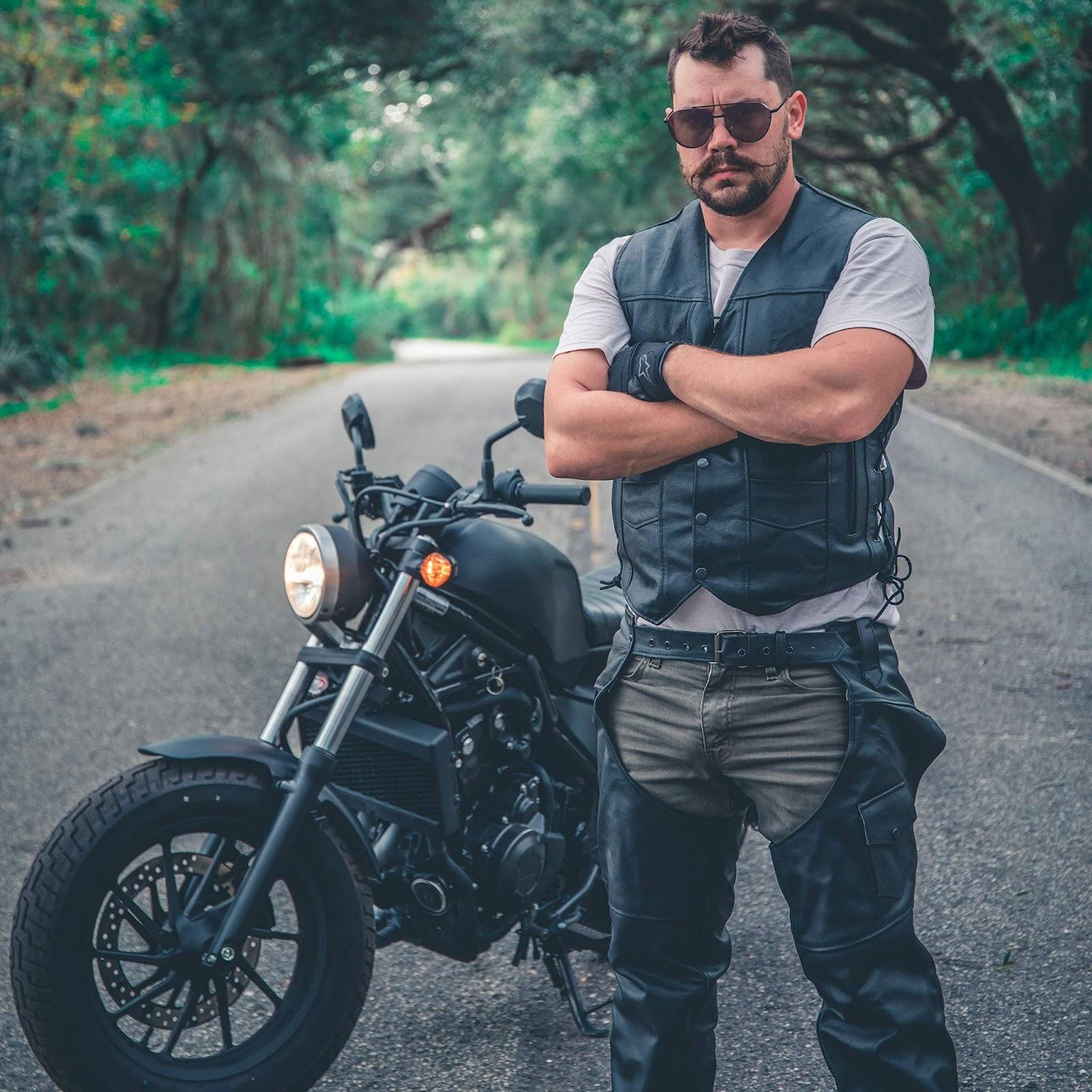
Highway riding gets all the attention when riders discuss ventilated gear. Wind tunnel tests, high-speed airflow measurements, and temperature readings at 75 mph dominate the conversation. But most urban riders spend far more time crawling through traffic than cruising open roads.
City riding presents unique thermal challenges that highway-focused testing completely ignores. Red lights, gridlock, construction zones, and rush hour crawls create conditions where standard ventilation assumptions fall apart entirely.
Understanding how airflow design actually performs during stop-and-go riding separates genuinely functional gear from marketing promises that fail when the speedometer drops below walking pace.
Highway riding generates natural airflow simply through forward motion. Even solid leather vests provide some cooling when wind pressure forces air around the body. City riding eliminates this advantage completely.
Sitting at a red light on hot asphalt, surrounded by idling vehicles radiating engine heat, creates thermal conditions far worse than ambient temperature suggests. Pavement reflects solar radiation upward. Exhaust from surrounding traffic adds heat. Zero forward motion means zero wind-assisted cooling.
A rider stopped in 95°F traffic actually experiences effective temperatures exceeding 110°F when radiant heat from pavement and vehicles combines with direct sun exposure. These conditions persist for minutes at a time, sometimes longer during heavy congestion.
This reality makes airflow design decisions for urban riders fundamentally different from highway considerations. A mens perforated leather vest needs to work when standing still, not just when moving.
Not all perforated vests perform equally at zero miles per hour. The location, density, and pattern of perforations determine whether a vest provides meaningful cooling during traffic stops or merely looks ventilated without delivering results.
Chest panel perforation works primarily through convective airflow, requiring motion to function. Upper chest perforations facing forward need wind pressure to push air through the holes. Standing still, these perforations do almost nothing.
Under-arm and side panel perforation operates differently. These areas benefit from natural convection as body heat rises. Warm air escaping upward through under-arm vents creates passive airflow that functions regardless of forward motion. Quality perforated vest men's designs concentrate significant perforation in these zones specifically for urban applications.
Back panel perforation matters most for riders sitting upright on cruisers or standard motorcycles. Heat builds intensely where the back contacts the seat, creating a pocket of trapped hot air. Perforations across the lower back allow this accumulated heat to escape even at standstill.
The best urban-focused designs balance perforation across all zones rather than concentrating solely on front panels that only work at speed.
Leather thickness affects heat management more dramatically during city riding than highway use. At speed, airflow dominates thermal comfort regardless of material weight. Standing still, material properties become primary factors.
Thicker leather retains heat longer after absorbing solar radiation. A vest baking in direct sun while waiting at a traffic light becomes a heat source rather than protection. The leather itself radiates warmth back toward the body.
Thinner leather (0.6mm to 0.9mm) absorbs less heat initially and releases it faster when conditions change. This responsiveness benefits stop-and-go riders who alternate between baking at stoplights and catching brief airflow during short acceleration bursts.
A men's perforated leather vest built from appropriately weighted leather combined with strategic perforation placement delivers comfort that thicker solid alternatives cannot match in urban conditions, regardless of how premium the heavier leather might appear.
The internal mesh liner that prevents ballooning at highway speeds provides secondary benefits during city riding that manufacturers rarely advertise.
Modern mesh backing materials wick moisture away from skin while creating a micro-gap between the body and leather outer shell. This separation allows air circulation even when external airflow doesn't exist.
Body heat rises through this gap, escaping through perforations rather than pressing directly against non-breathable leather. The mesh effectively extends the perforation benefit across the entire interior surface rather than limiting ventilation to specific perforated zones.
Budget perforated vests skipping mesh backing lose this urban advantage entirely. The leather contacts skin directly, negating much of the perforation benefit during stationary periods when convective cooling matters most.
City riding involves more body movement than highway cruising. Lane positioning, frequent stops, mirror checks, and constant traffic awareness keep urban riders physically active in ways that sustained highway speeds don't require.
Women's perforated vests designed for urban use must accommodate this movement while maintaining ventilation effectiveness. Perforation zones need positioning that doesn't create pressure points during the frequent posture changes urban riding demands.
Side panel stretch zones combined with perforated inserts allow vests to move naturally during aggressive urban maneuvering while still delivering cooling benefits. Brands engineering specifically for city applications recognize that static fit testing misses the dynamic reality of traffic navigation.
The best women's perforated vests balance ventilation placement with mobility requirements, understanding that urban riders shift position constantly rather than holding steady postures for extended highway stretches.
Dark colors absorb dramatically more solar radiation than light alternatives. This matters minimally at highway speeds where airflow dominates thermal comfort. Standing still under direct sun, color becomes significant.
Black leather surface temperatures can exceed 150°F after ten minutes of direct sun exposure. That heat transfers through the material toward the body regardless of perforation presence. Lighter colors (brown, tan, gray) reduce surface temperature by 20 to 30 degrees under identical conditions.
Urban riders prioritizing function over traditional aesthetics benefit from considering lighter-colored perforated options. The combination of reduced heat absorption and strategic perforation creates measurable comfort advantages during extended city riding sessions.
Gear selection represents only part of urban heat management. Riding techniques combine with equipment choices to maximize comfort during stop-and-go conditions.
Positioning near shade during extended red lights reduces direct solar exposure. Leaving generous following distance allows continuous slow movement rather than complete stops, maintaining at least minimal airflow. Choosing routes with synchronized lights reduces total stopped time.
Hydration matters more during city riding than highway cruising. The combination of heat stress, physical activity, and mental demands of traffic navigation depletes fluid faster than relaxed highway miles. A quality perforated vest men's design helps, but nothing replaces adequate water intake.
Riders who primarily navigate city traffic should evaluate gear differently than weekend highway tourers. Marketing materials emphasizing wind tunnel testing at 70 mph address conditions urban commuters rarely experience.
Ask different questions: Where are the perforations located? Does the vest include mesh backing? What leather weight does the construction use? How does perforation placement accommodate riding position and body movement?
A men's perforated leather vest optimized for urban conditions won't necessarily test best in highway simulations. The design priorities differ fundamentally based on actual use conditions.
City riding presents thermal challenges that perforated gear addresses effectively, when designed appropriately for urban reality. The stop-and-go nature of traffic demands ventilation solutions that function at zero miles per hour, not just during sustained highway speeds.
Quality perforated vests engineered with under-arm ventilation, mesh backing, appropriate leather weight, and strategic perforation placement deliver comfort that solid alternatives cannot match during urban commuting.
The difference becomes obvious during the first summer traffic jam. Riders wearing properly designed perforated gear manage heat effectively while solid-vest riders suffer through conditions their equipment cannot address.
Urban riding deserves gear designed for urban conditions. The best perforated vests recognize this reality and engineer accordingly.