English
 Arabic
 French
 Spanish
 Portuguese
 Deutsch
 Turkish
 Dutch
Dutch
 Italiano
 Russian
 Romaian
 Portuguese (Brazil)
 Greek
Greek

Premium Mid-Range Smartphone Experience for Modern Buyers
Shopping |
2026-05-05 08:07:33
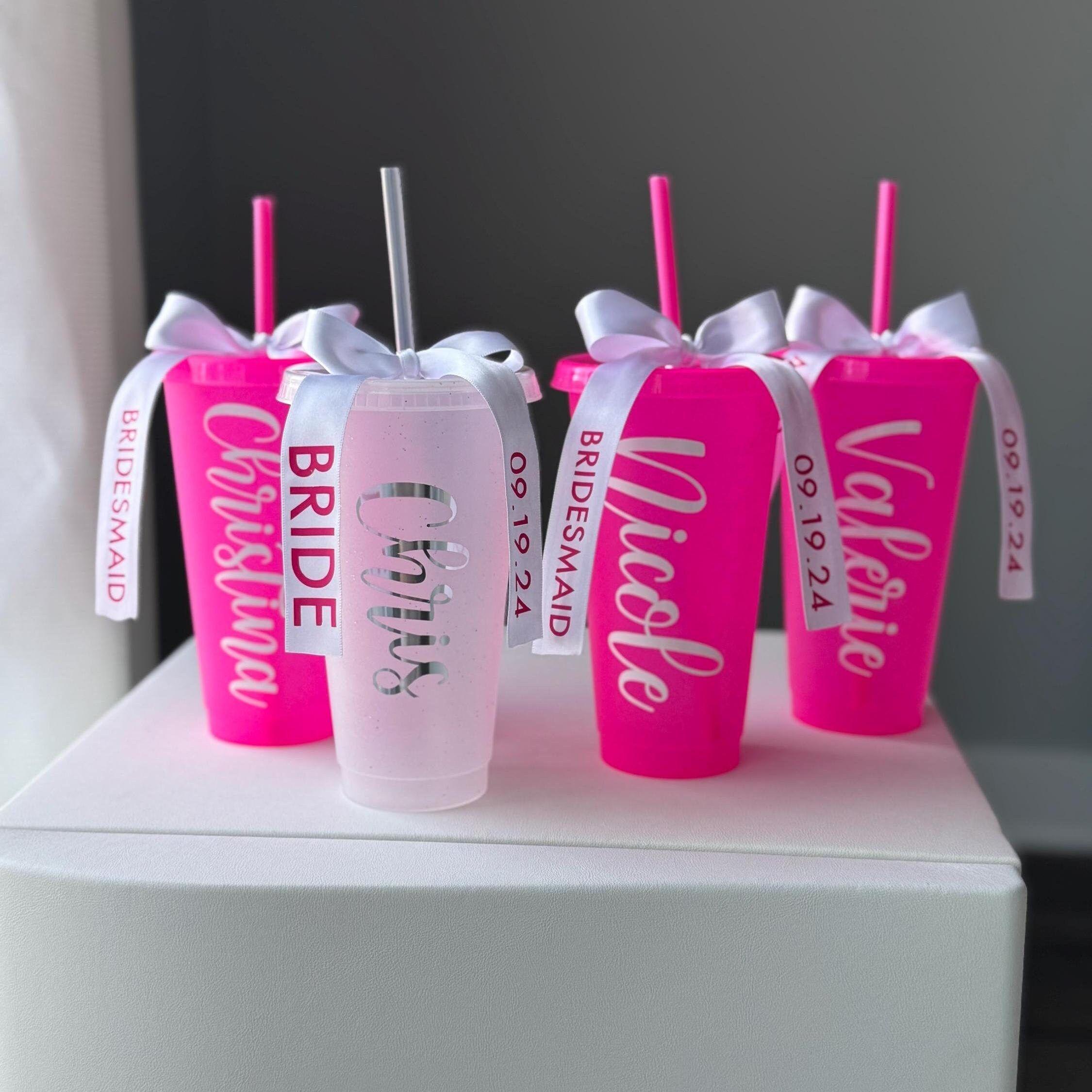
Walk into any high-traffic fast-casual spot or a boutique coffee shop, and you’ll see the same thing: a sea of people holding transparent containers. From a logistics and fulfillment perspective, that container is more than just a vessel for liquid; it is a mobile billboard that has already bypassed the consumer’s mental ad-blockers. In my seven years managing packaging supply chains, I’ve realized that while brands obsess over digital impressions, they often overlook the tactile impression held in a customer’s hand for thirty minutes at a time.
Investing in Custom Printed Plastic Cups isn't just about aesthetics, it’s about closing the loop on brand recognition within the physical supply chain.
When we talk about fulfillment, we often focus on "damage-free delivery." But in the food and beverage sector, fulfillment also encompasses the "hand-off experience." Using generic, unbranded plastic is a missed opportunity that borders on professional negligence for a growing brand.
From a material standpoint, the choice between PET (Polyethylene Terephthalate) and PP (Polypropylene) matters more than most marketing teams realize. PET offers that crystal-clear clarity that makes vibrant drinks pop, whereas PP is more resilient to heat but slightly cloudier. If you are serving a premium iced matcha or a layered fruit infusion, the clarity of the cup acts as the "frame" for your product.
The Common Mistake: Many brands prioritize the lowest cost per unit without considering the "sidewall strength." There is nothing that kills brand loyalty faster than a flimsy cup that collapses when a customer tries to put a lid on it or pick it up from a cup holder. If the structural integrity fails, your logo no matter how beautiful is associated with a mess.
In the current packaging landscape, "just-in-time" inventory is a dangerous game. I’ve seen countless startups forced to use blank cups and ugly stickers because they didn't account for the 8–12 week lead times associated with high-quality printing.
Customization requires a different level of forecasting. When you move from stock items to Custom Printed Plastic Cups, you are moving into the realm of specialized manufacturing runs. You aren't just buying a product; you’re buying press time.
Working with an established partner like IBEX Packaging can mitigate these headaches. A seasoned consultant knows that the goal isn't just to get the lowest price, but to ensure a consistent "caliper" (thickness) and print registration. If your logo is centered on the first thousand cups but drifts by the ten-thousandth, your brand looks amateur. Consistency is the hallmark of a professional fulfillment operation.
One of my strongest opinions in this industry is that "cheap is expensive." I often see brands sourcing from unverified overseas vendors to save a fraction of a cent per unit. What they often get are cups with poor ink adhesion or, worse, ink migration issues where the smell of the solvent leaches into the beverage experience.
When you invest in quality printing, you’re paying for food-safe, low-odor inks that can withstand condensation. An iced coffee "sweats," and if your ink isn't formulated for high-moisture environments, that beautiful custom logo will end up smeared on the customer's palm. That isn't brand visibility; that’s a brand liability.
In the age of social media, the "unboxing" happens at the counter. A drink is "Instagrammable" only if the packaging facilitates it.
Here are a few industry-specific tips for designing your cups:
The "Safety Zone": Keep your primary branding in the upper two-thirds of the cup. Hands naturally cover the bottom half, and condensation pools there.
Opacity Matters: If you’re using a single-color print, ensure the ink density is high enough to remain visible against dark liquids like cold brew or bright liquids like orange juice.
Lid Compatibility: Always source your lids and cups from the same manufacturer. Even a 1mm deviation in the rim diameter can lead to leaks, which effectively destroys the "fulfillment" of the product's purpose.
We cannot discuss plastic packaging without addressing the environmental shift. The industry is moving toward rPET (recycled PET) and PLA (polylactic acid) compostables. However, as a consultant, I have to be honest: sustainability shouldn't be a "greenwashing" checkbox.
If you opt for compostable materials, your fulfillment strategy must change. PLA, for instance, has a much lower heat distortion point. If your warehouse gets too hot during a summer shipment, you’ll open your pallet to find a melted block of distorted plastic. True professional fulfillment means understanding the molecular limits of your materials.
Think about the journey of a single cup. It leaves your store, sits on a desk in a shared office, travels on a subway, and perhaps ends up in a gym cup holder. Each stage is a passive impression. Compared to the soaring costs of Pay-Per-Click (PPC) advertising, the "cost per impression" of Custom Printed Plastic Cups is remarkably low.
My Take: I firmly believe that for any beverage business doing more than 500 units a week, blank cups are a drain on future growth. You are essentially paying for the shipping and storage of a blank canvas that could be working for you.
Before you pull the trigger on a massive order, perform a "drop test" and a "leak test" with your actual beverage menu. Don't rely on the manufacturer's spec sheet alone. The viscosity and acidity of your specific drinks can interact differently with various coatings.
Furthermore, consider your storage footprint. Custom print runs usually require higher Minimum Order Quantities (MOQs). Ensure your 3PL (Third-Party Logistics) or back-of-house storage is climate-controlled and organized by "First In, First Out" (FIFO) to prevent any yellowing of the plastic over long periods.
Packaging is the silent partner in your marketing department. It’s the physical touchpoint that proves you care about the details. By moving away from generic disposables and embracing high-quality, custom-branded solutions, you aren't just serving a drink, you’re delivering a brand experience that lasts long after the ice has melted.
Avoid the "race to the bottom" on price, vet your suppliers for ink quality and structural integrity, and treat your cup as the high-value asset it truly is.
Check for more Custom Printed Plastic Cups: https://ibexpackaging.com/plastic-cups/