English
 Arabic
 French
 Spanish
 Portuguese
 Deutsch
 Turkish
 Dutch
Dutch
 Italiano
 Russian
 Romaian
 Portuguese (Brazil)
 Greek
Greek

The Rise of Alternative Liquidity Solutions in the Digital Economy
Shopping |
2026-04-13 08:11:35
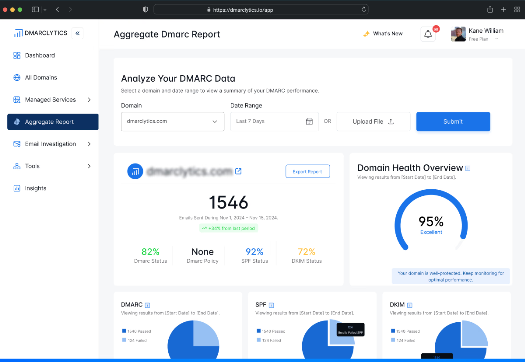
Email remains one of the most important communication channels for businesses, applications, and platforms. However, email delivery is complicated by spam filters, authentication checks, and sender reputation systems. One critical component that helps emails reach inboxes successfully is SPF (Sender Policy Framework), especially when using Amazon Simple Email Service (SES) for sending emails.
This article provides a long, detailed, and practical explanation of AWS SES SPF, covering everything from basics to advanced troubleshooting and optimization strategies.
Understanding AWS SES
Amazon Simple Email Service (SES) is a cloud-based email sending service used by developers and businesses to send:
Transactional emails
Notifications
Marketing emails
Application-generated messages
Account verification emails
Password resets
Order confirmations
System alerts
SES is designed to be scalable, cost-effective, and reliable. But simply sending email is not enough — emails must be authenticated properly to avoid spam filters.
This is where SPF becomes essential.
What Is SPF?
SPF (Sender Policy Framework) is an email authentication method that helps receiving mail servers verify whether an email is authorized to be sent from a particular domain.
In simpler terms:
SPF answers the question:
“Is this server allowed to send email on behalf of this domain?”
Without SPF, attackers can easily spoof your domain and send fake emails pretending to be you.
Why SPF Matters for SES Users
When using SES to send emails, your emails are sent from Amazon's infrastructure, not your own servers. Therefore:
Receiving mail servers need confirmation that SES is authorized to send mail for your domain.
SPF records tell email providers that SES is permitted to send emails on your behalf.
Proper SPF setup improves inbox placement.
It reduces spam classification.
It protects your domain from spoofing.
Without SPF, your emails may:
Land in spam folders
Be rejected by servers
Damage your sender reputation
How SPF Works with AWS SES
The SPF system uses DNS records.
Your domain publishes a TXT record in DNS that lists allowed sending servers.
When SES sends an email:
Receiving server extracts sending domain.
It checks SPF record via DNS lookup.
It verifies if SES sending servers are allowed.
Email is accepted or rejected based on result.
Example SPF Record Structure
An SPF record typically looks like this:
v=spf1 include:amazonses.com -all
Breaking it down:
v=spf1 → SPF version
include:amazonses.com → Allows SES servers
-all → Reject all other servers
This record means only SES servers can send emails for your domain.
Step-by-Step Setup of SPF for SES
Step 1: Verify Your Domain in SES
Before configuring SPF, your domain must be verified in SES.
Verification proves ownership and allows SES to send emails for your domain.
Step 2: Access Your DNS Provider
You must add DNS records at your domain registrar or DNS hosting provider.
Common DNS platforms include domain registrars or cloud DNS services.
Step 3: Add SPF TXT Record
Add a TXT record:
Record type: TXT
Host/Name: your domain or root
Value:
v=spf1 include:amazonses.com -all
Step 4: Wait for DNS Propagation
DNS updates can take minutes or several hours.
After propagation, mail servers will read your SPF configuration.
Understanding SPF Mechanisms
SPF records use mechanisms to define allowed senders:
include
Allows another domain’s SPF rules.
Example:
include:amazonses.com
ip4 / ip6
Allows specific IP addresses.
Example:
ip4:192.0.2.0/24
a
Allows IP addresses of domain’s A record.
mx
Allows servers listed in MX records.
all
Specifies default action:
-all → Hard fail
~all → Soft fail
?all → Neutral
For production, -all is recommended.
SPF Limitations You Must Know
SPF is useful but not perfect.
1. DNS Lookup Limit
SPF allows only 10 DNS lookups.
Too many includes cause SPF failures.
2. Forwarding Problems
If emails are forwarded, SPF may fail since forwarding servers are not in SPF.
3. Header Limitations
SPF checks envelope sender, not visible From address.
This is why SPF is usually combined with DKIM and DMARC.
SPF vs DKIM vs DMARC
Email authentication typically uses three systems:
SPF
Validates sending server.
DKIM
Signs emails cryptographically to ensure content integrity.
DMARC
Combines SPF and DKIM policies and provides reporting.
Using all three gives maximum deliverability.
Best Practices for AWS SES SPF Setup
Keep SPF Records Simple
Avoid unnecessary includes or entries.
Avoid Multiple SPF Records
Only one SPF record is allowed per domain.
Multiple records cause failures.
Combine Services Carefully
If using multiple email services:
v=spf1 include:amazonses.com include:otherservice.com -all
Ensure total DNS lookups remain below limit.
Monitor Deliverability
Track:
Bounce rates
Complaint rates
Spam placement
Use Dedicated IPs if Needed
High-volume senders may benefit from dedicated IP reputation.
Common SPF Mistakes
Multiple TXT SPF Records
Only one SPF record should exist.
Incorrect Domain Alignment
From domain must match authenticated domain.
Missing SES Include
Forgetting SES include causes SPF failure.
Too Many Includes
Exceeding lookup limit breaks SPF validation.
Troubleshooting SPF with SES
Emails Going to Spam
Check:
SPF passes
DKIM enabled
Complaint rates
Content quality
SPF Soft Fail
Occurs when using ~all instead of -all.
SPF PermError
Often caused by syntax or lookup issues.
SPF None Result
Means no SPF record exists.
Advanced SES SPF Considerations
Custom MAIL FROM Domain
SES allows custom MAIL FROM domains.
This improves alignment and branding.
Subdomain Strategy
Use subdomains for different email types:
Each can have tailored SPF policies.
High-Volume Sending Strategy
Large senders should:
Warm up sending reputation
Use dedicated IP pools
Monitor bounce metrics
Maintain clean mailing lists
Security Benefits of SPF
SPF protects domains from:
Email spoofing
Phishing attacks
Brand impersonation
Fraudulent communication
SES Reputation and SPF
SES monitors sender reputation metrics:
Bounce rate
Complaint rate
Engagement metrics
SPF contributes to positive reputation by ensuring legitimacy.
SPF Record Optimization Tips
Use minimal includes.
Consolidate services.
Regularly audit records.
Remove unused email services.
Monitor DNS configuration changes.
FAQ: AWS SES SPF
Is SPF enough alone?
No. Combine with DKIM and DMARC.
How long does SPF propagation take?
Typically minutes to a few hours.
Can I use SES without SPF?
Technically yes, but deliverability suffers.
Can SPF stop phishing completely?
No, but it significantly reduces spoofing risk.
Real-World Sending Scenario
A company sends:
Order confirmations
Login alerts
Marketing newsletters
Using SES with SPF:
Emails authenticate correctly.
Spam classification decreases.
Inbox placement improves.
Customer trust increases.
Final Thoughts
Configuring AWS SES SPF correctly is essential for anyone sending emails via Amazon SES. It improves deliverability, protects your domain, and supports a healthy sender reputation.
A proper SPF setup:
Authorizes SES servers
Prevents spoofing
Improves inbox placement
Builds brand trust
Supports long-term email success
As email security standards evolve, SPF remains a fundamental building block for reliable email delivery.