English
 Arabic
 French
 Spanish
 Portuguese
 Deutsch
 Turkish
 Dutch
Dutch
 Italiano
 Russian
 Romaian
 Portuguese (Brazil)
 Greek
Greek

Wuthering Waves 2.4 Update – New Skins for Changli & Carlotta
Games |
2025-10-23 01:58:52
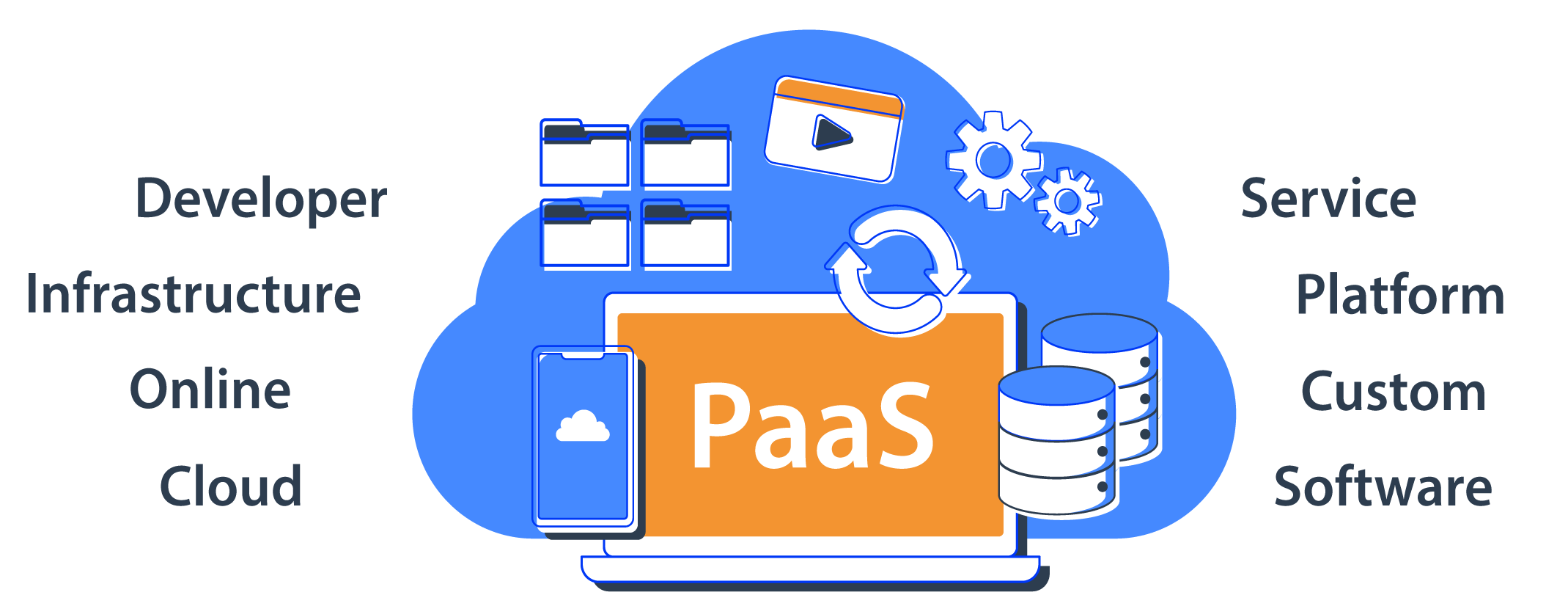
Modern Platform as a Service provides managed environments for building, deploying, and scaling applications without teams managing the underlying servers and operating systems. PaaS offerings include runtimes, databases, messaging, and developer tools that abstract infrastructure complexity. Developers focus on code while the platform handles provisioning, patching, scaling, and availability. This accelerates release cycles and reduces operational burden, especially for teams adopting cloud-native development. PaaS is widely used for web apps, APIs, microservices, mobile backends, and internal business applications. Benefits include faster time-to-market, easier scaling for variable demand, and standardized environments that reduce “works on my machine” issues. PaaS also supports DevOps automation through CI/CD integration and infrastructure-as-code. However, PaaS success depends on governance: cost control, security configuration, and proper architecture design. Without guardrails, teams can create sprawl and unpredictable spend. When implemented with platform standards and observability, PaaS becomes a reliable acceleration layer for software delivery.
PaaS typically includes application hosting runtimes, managed databases, storage services, identity integration, and observability tooling. Many platforms offer build and deploy pipelines, container support, and auto-scaling. Managed databases reduce operational load by handling backups, patching, replication, and failover. Messaging and event services support asynchronous architectures, improving resilience. Security features include network isolation, secrets management, encryption defaults, and role-based access control. Developers benefit from standardized templates and self-service provisioning, reducing ticket queues. Platform teams benefit from consistent policy enforcement and easier patch management. PaaS also supports multi-tenant environments, enabling shared infrastructure while isolating applications. Yet trade-offs exist. Platform constraints may limit low-level tuning or certain workloads. Vendor lock-in can occur if applications depend heavily on proprietary services. Therefore, architecture decisions matter. Some organizations adopt “portable PaaS” patterns using containers and open standards, while others embrace native services for speed. Observability is critical; managed services still require monitoring, performance tuning, and incident response. The best PaaS programs treat the platform as a product: defined service catalogs, clear SLOs, and continuous improvement.
Security and compliance are major drivers for enterprise PaaS adoption. PaaS can improve security by centralizing patching and standardizing configurations, but only if policies are applied correctly. Organizations need strong identity controls, network segmentation, and audit logging. Compliance requirements may influence where data is stored and how services are configured. Some organizations use private or hybrid PaaS options to meet sovereignty or regulated workload needs. PaaS must integrate with enterprise IAM, security monitoring, and governance processes. Secrets and key management are critical; applications must not hardcode credentials. PaaS also affects reliability. Auto-scaling and managed failover improve resilience, but dependency on platform availability introduces concentration risk. Therefore, multi-region architecture and disaster recovery planning remain necessary. Cost governance is also important because PaaS consumption can grow quickly. FinOps practices—tagging, budgets, and rightsizing—help maintain predictable spend. With proper governance, PaaS provides a secure, scalable foundation for modern applications while reducing operational complexity.
Looking ahead, PaaS will continue evolving through deeper automation, AI-assisted operations, and stronger platform engineering practices. Internal developer platforms often leverage PaaS services to provide “paved roads” for teams, improving consistency and speed. Event-driven architectures and managed Kubernetes services will remain central in many PaaS portfolios. AI may improve code deployment, monitoring, and incident triage. Multi-cloud strategies may increase demand for portable patterns and consistent governance across providers. Sustainability and cost optimization will become more prominent as organizations monitor cloud efficiency. Ultimately, PaaS is about accelerating delivery with managed building blocks. Organizations that adopt PaaS with strong security, observability, and cost governance can ship faster, scale reliably, and modernize legacy systems more safely. PaaS remains a key engine of digital transformation because it reduces friction between code and production.
Top Trending Reports:
Audio Conferencing Service Market
Audio Devices And Component Market
Automated Number Plate Recognition And Detection Sensor Market